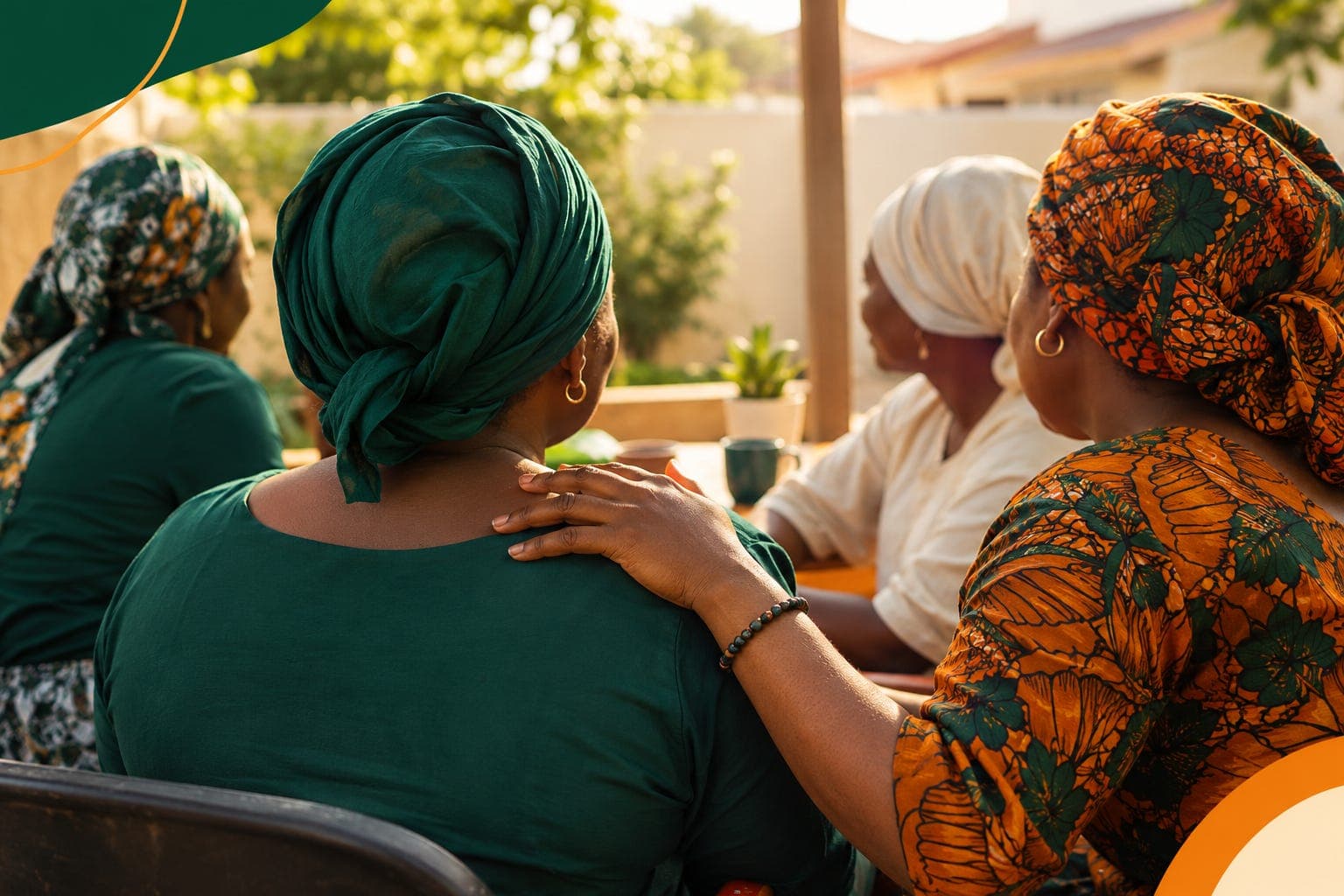
When He Asked About Daddy
A little boy's question reveals the invisible weight widowed mothers carry every day, and why no woman should raise a grieving family alone.
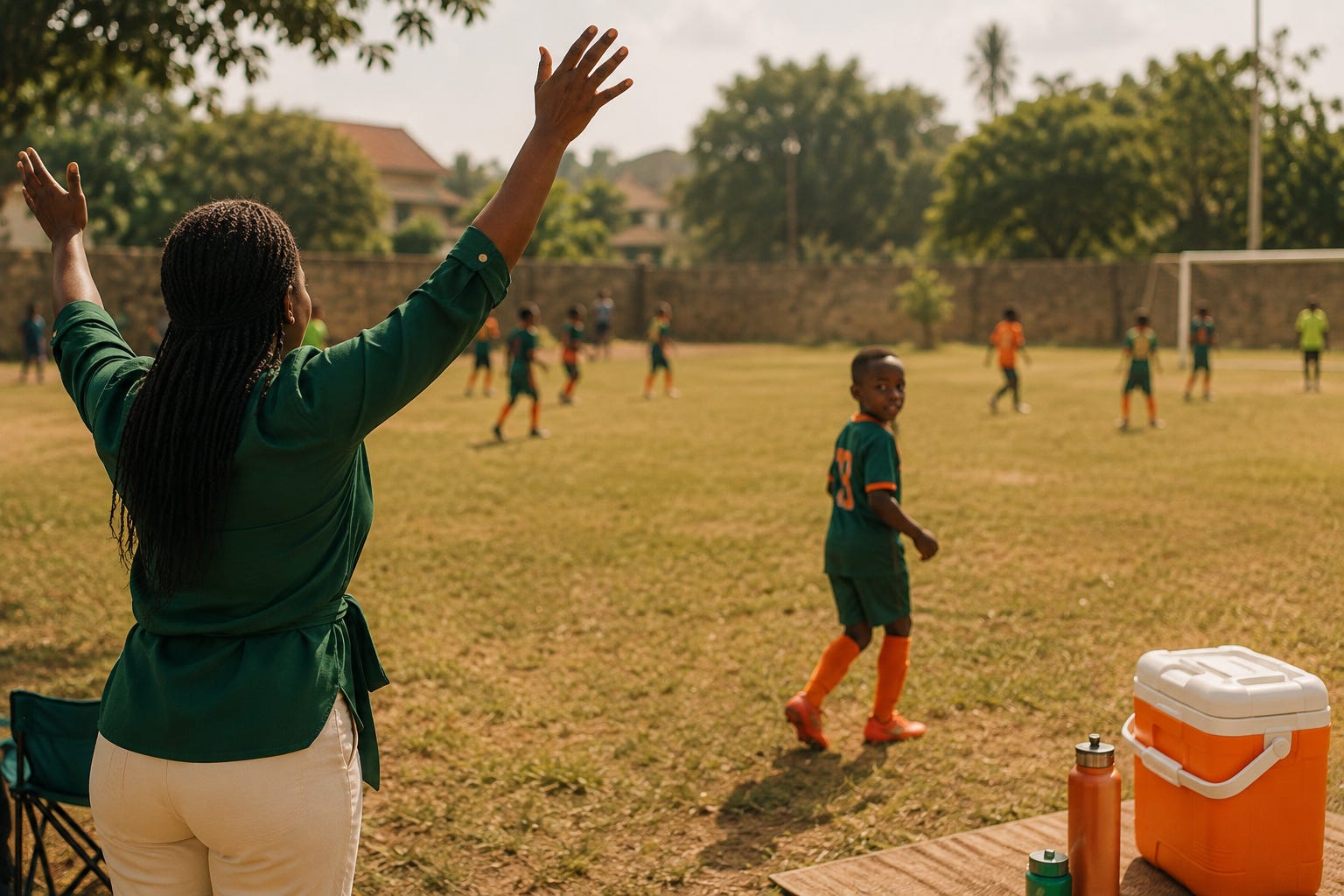
It was Saturday morning, and nine-year-old Fejiro stood at the corner of the football field, scanning the crowd.
One by one the fathers cheered from the sidelines. They shouted instructions like they were the referee. They clapped after every goal and celebrated every tackle. Fejiro smiled when he spotted his mum, Jennifer, waving with so much energy you’d think she was a cheerleader. Well, in this case she was, but for her son only.
She had rushed from work, skipped breakfast, and squeezed through traffic just to make it before kickoff. She cheered louder than anyone else on that field.
On the drive home, Fejiro asked quietly, “Mum, do you think Daddy would have been proud of me?”
Jennifer swallowed hard, smiled through the tears gathering in her eyes, and told him, “He would have been so proud.”
What Fejiro didn’t see was that his mother wasn’t only grieving her husband. She was grieving the fact that she could never fully replace the father her son had lost. She just had to make her own two feet fit into both pairs of shoes now. Mother and father.
Widowhood changes more than one life
When a woman loses her husband, she doesn’t just lose a partner. Very often she becomes, overnight, the family’s sole provider, decision-maker, caregiver, disciplinarian, homework helper, encourager, teacher, and protector. She wears every hat there is and juggles a thousand things at once.
She’s expected to carry what used to be shared between two people. In local parlance, Omo. I don’t even want to imagine the weight of that.
And for most widowed mothers, this isn’t about trying to become someone else. It’s about doing everything they can so their children still feel loved and secure and held, despite a loss that doesn’t make sense and all the burdens that come trailing after it.
One day she’s helping with homework. The next she’s dealing with a leaking roof. Then she’s teaching a child how to knot a tie, or tie shoelaces, or how to put on a sanitary pad. She goes to the parent-teacher meetings alone. She makes the financial decisions alone, and sometimes the financial mistakes too. She comforts her children while quietly managing her own grief. She celebrates the birthdays and notices the empty chair at the same time. She answers hard questions about death and life, the same ones over and over, while still looking for her own answers.
The emotional weight of it is enormous. A lot of widowed mothers describe feeling like they always have to appear strong, because their children are watching them for reassurance. But behind that strength is usually a woman who just wants someone to share the load with. A hand she can reach over and squeeze.
The emotional struggle of raising children alone
Children grieve differently depending on their age and who they are. Some go quiet and withdraw. Some get angry. Some ask endless questions. Some stop asking, and stop talking much at all. Now picture a widowed mother trying to hold five of them through it.
She’s the one helping her children through their grief while carrying her own. She comforts them after nightmares with a thin smile stretched across her face like a tired ray of sunshine. She reassures them when they worry about the future. She explains, again, why Daddy isn’t coming home, not tonight and not any night. And then at night, when everyone is finally asleep, she cries where no one can see her, face pushed down into the pillow, the only place safe enough for her secret tears.
Still with us?
Get the next story like this one straight to your inbox.
Then there’s the money, which can be its own kind of overwhelming. In today’s Nigeria, where simply being alive costs more than it should, where food and transport and school fees and rent and healthcare keep climbing, raising children on one income is no small thing, however you look at it.
Many widows face impossible choices, juggling priorities that all matter at once. Does she pay the school fees first? Buy groceries? Get the medication? Fix the roof that’s letting in water?
Those money pressures pile another layer of stress on top of the grief, and the whole thing gets heavier.
And through all of it, every widowed mother hears questions she wishes she never had to answer.
Why did Daddy have to die? Who will teach me to ride a bicycle? Who will walk me down the aisle one day? Would Daddy be proud of me?
Honestly, there are no perfect answers to any of these. A widowed mother can’t exactly say that, though, because children want answers. So she reaches for whatever love can offer, and lets it do its best to comfort what loss has broken.
Children need more than one person’s strength
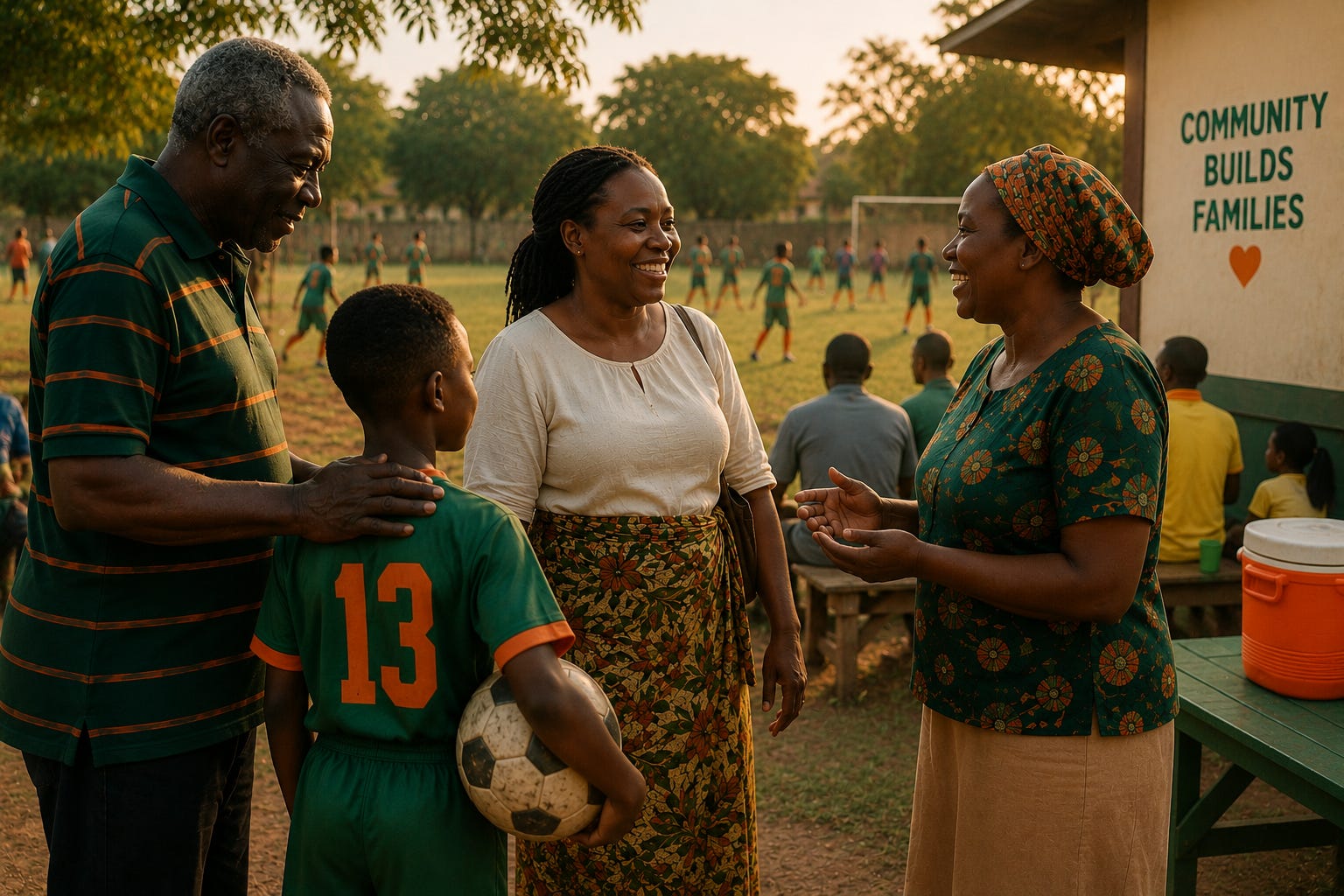
Plenty of widowed mothers do an extraordinary job of raising resilient, kind children. I’m genuinely in awe whenever I meet someone who was raised by a widowed mother and turned out well, because in a flash I think of everything she must have gone through to get him there. That is not as simple as ABC.
But no one should have to do it alone.
Children do better when other caring adults step in. An uncle who shows up to the football matches. A teacher who notices a child is struggling and actually does something about it instead of just complaining. A neighbour with a word of encouragement. A mentor. A community that keeps reminding both mother and child that they aren’t on their own in this.
Everyone needs to get in, honestly.
Supporting a family like this isn’t about replacing a father. It’s about surrounding them with people who care.
So how can I support a widowed mother?
Here’s the good news. It doesn’t always take a big financial gift. I know the first thought that jumps to mind is billing. Relax.
Sometimes the biggest help comes through small, practical kindness. A few things you could actually do:
Offer to babysit while she goes to an appointment. Help with the school run or homework. Check in on her regularly, and not only right after the funeral. Remember the dates that are going to be hard for her. Encourage her without piling on pressure to “be strong.” Connect her, or her children, with community groups, mentorship, or opportunities to learn and grow. And if she needs it, help her find skills training or a way to earn.
Small things, but they ease a weight she’s carrying every single day.
I said all of that to say this. Supporting widows strengthens whole families. It’s like putting a pillar back under a building that’s starting to lean, so it can stand again. When we invest in a widow, we’re investing in her children too. She can care for them, and for herself, that much better, emotionally and physically and every other way.
A mother’s love is powerful. But she shouldn’t have to carry it alone. Widowed mothers are remarkably gritty and resilient, and still, resilience should never be mistaken for not needing anyone.
With you in it,
Grace
Gritty Widows Foundation
Raising a family alone is hard. We're here to help.
How to Talk to a Grieving Child: What to Say (and What Never to Say)
A practical guide to helping a grieving child feel safe, heard, and loved
Read next →