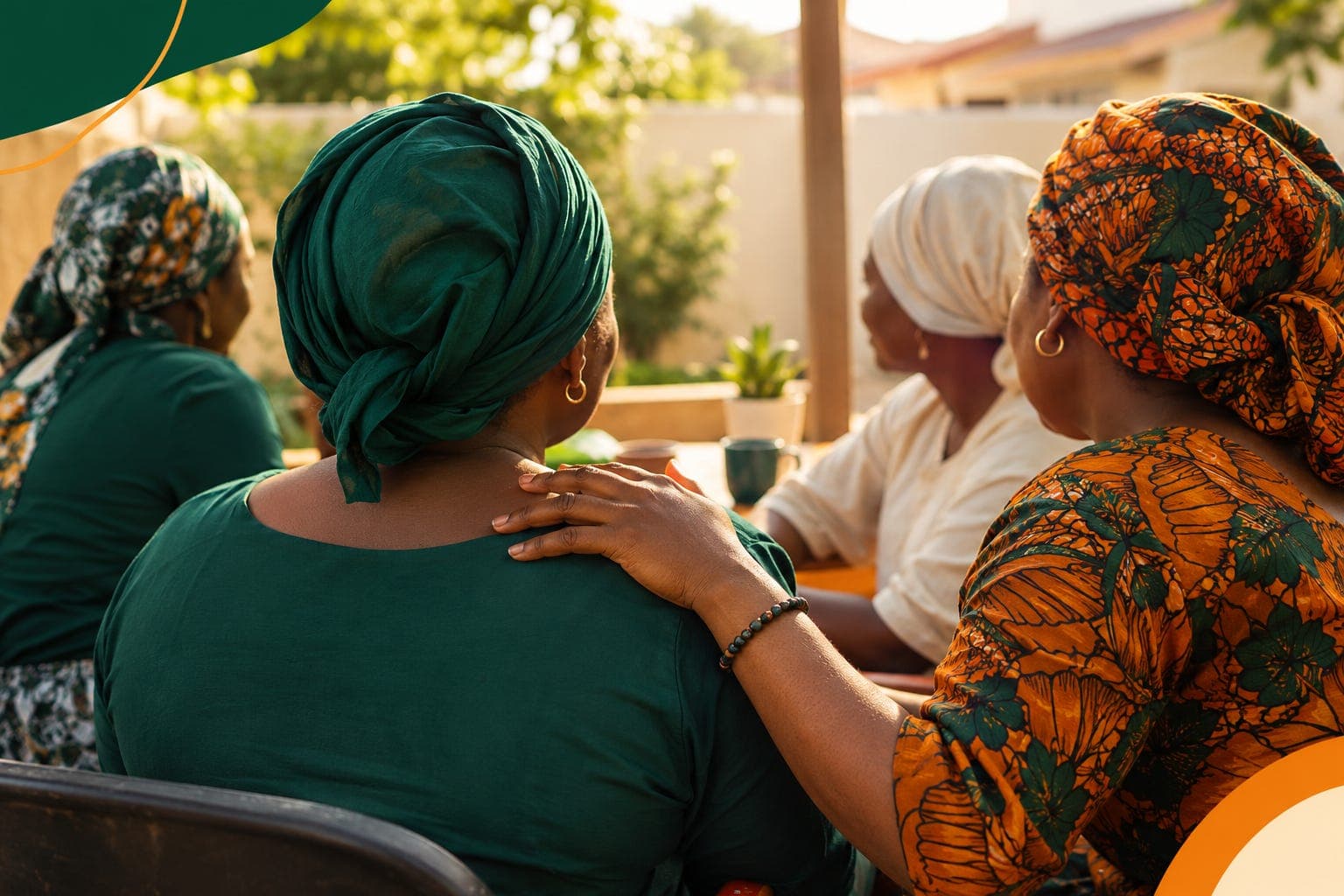
There Is No Right Way to Grieve
Why grief has no timeline, no formula, and no single face

There Is No Right Way to Grieve
Victoria sat on the edge of her bed long after everyone had gone home. The house was quiet, but her mind wasn’t. It was as noisy as Eko market. She had cried almost every day since Richard died. Yet tonight, she couldn’t cry at all.
She just stared at the empty side of the bed.
And for the first time, she wondered: am I grieving the right way? Is there even a way to grieve?
There isn’t. There is no right way to do this.
For a widow, grief can look like one thing today and something completely different tomorrow. Some days are all tears. Some days feel surprisingly, almost guiltily, normal. There are days she wants to talk about her husband, and days the sound of his name splits her open. None of it makes her grief any less real.
Widowhood begins with a loss, but it doesn’t end there
Losing a husband is more than losing a person.
For many women it means losing a companion, a confidant, a co-parent, a financial partner, a friend, a gist partner, and the person she was supposed to grow old with. All at once.
And suddenly the decisions that used to be shared land on her alone. There are children to raise, bills that don’t pause for grief, work to hold down, family expectations to manage, and a whole future to somehow figure out, all while she’s breaking inside.
This is why understanding widowhood means looking past the funeral. Grief doesn’t end when the visitors go home and the compound empties out. A lot of the time, that’s exactly when the hardest part starts, because now she has to actually live it, alone.
Grief doesn’t always look like crying
When we picture grief, we picture tears. But it wears many faces.
One widow cries every single morning. Another rarely cries in front of anyone. One wants to talk about her husband constantly. Another can’t bear to look at his things. One goes back to work within the week. Another can’t hold a thought together for months. Some find their footing in prayer and community. Others need quiet, and space, and to be left alone for a while.
And sometimes a widow laughs at an old memory, then feels a stab of guilt for laughing. But laughing doesn’t mean she’s forgotten him. Smiling doesn’t mean she’s stopped grieving. Grief is personal, full stop.
The pressure to “be strong”
One of the most common things people say to a grieving widow is “you have to be strong.”
It’s almost always meant kindly. Nobody means harm by it. But for a woman already carrying too much, those words can become one more thing to carry. She starts to believe that crying makes her weak, so she swallows a whole tank of tears. That struggling makes her a bad mother. That asking for help means she isn’t coping. That she has to hide her pain so nobody worries.
But strong can also look like saying it out loud. I’m struggling today. I need someone to talk to. I don’t know what to do. Can somebody help me with the children?
A widow shouldn’t have to perform strength just to keep everyone around her comfortable.
Some days will be better than others
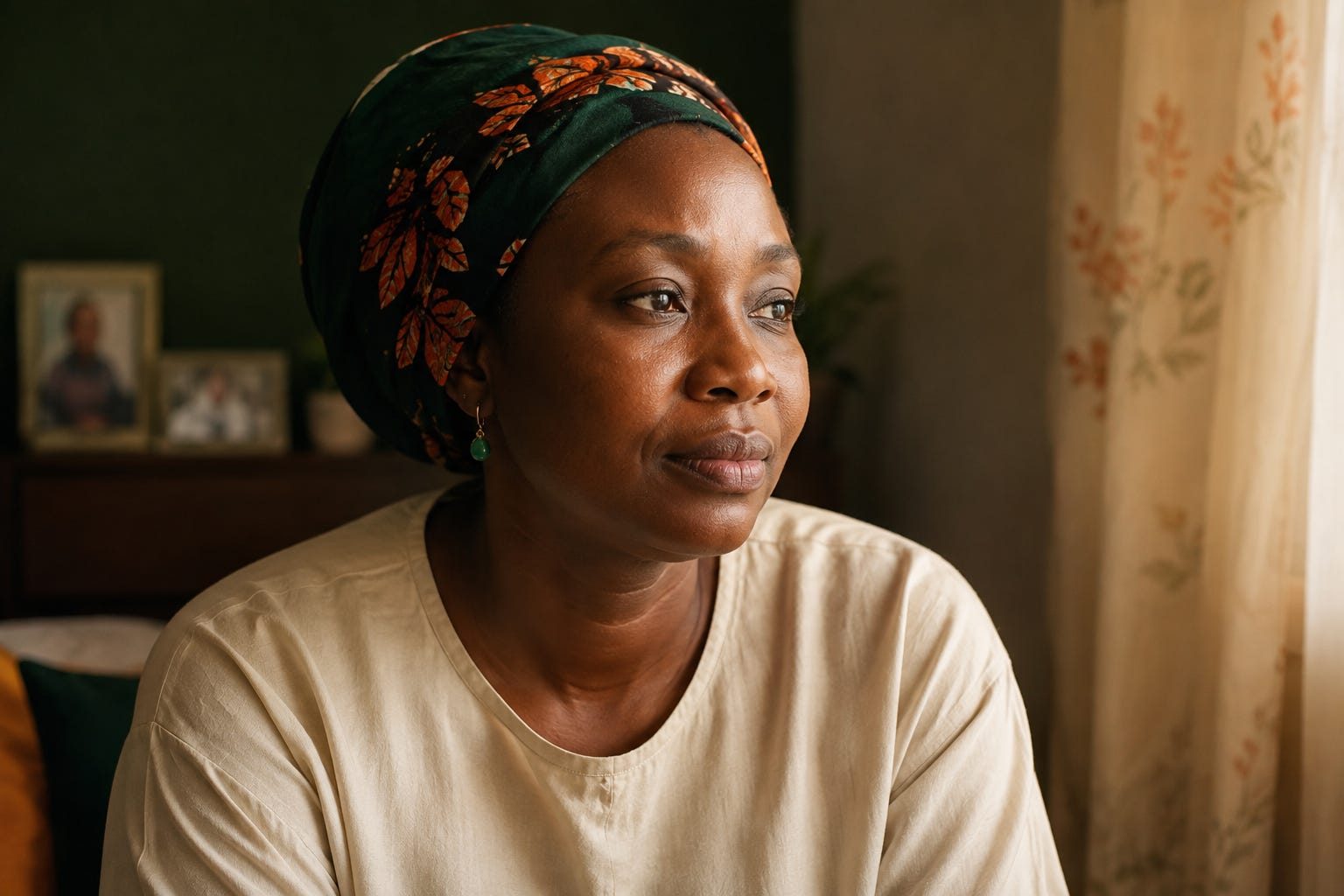
Grief is rarely a straight line. A widow can have a good day and think she’s finally turning a corner. Then a song, a photograph, a smell, a birthday, a familiar street, and it all comes rushing back.
That isn’t failure. It just means she remembers, and remembering is allowed.
Healing was never about forgetting him, as though he never existed, as though those years were something she imagined. It’s about slowly learning to carry the loss while still building a life that means something.
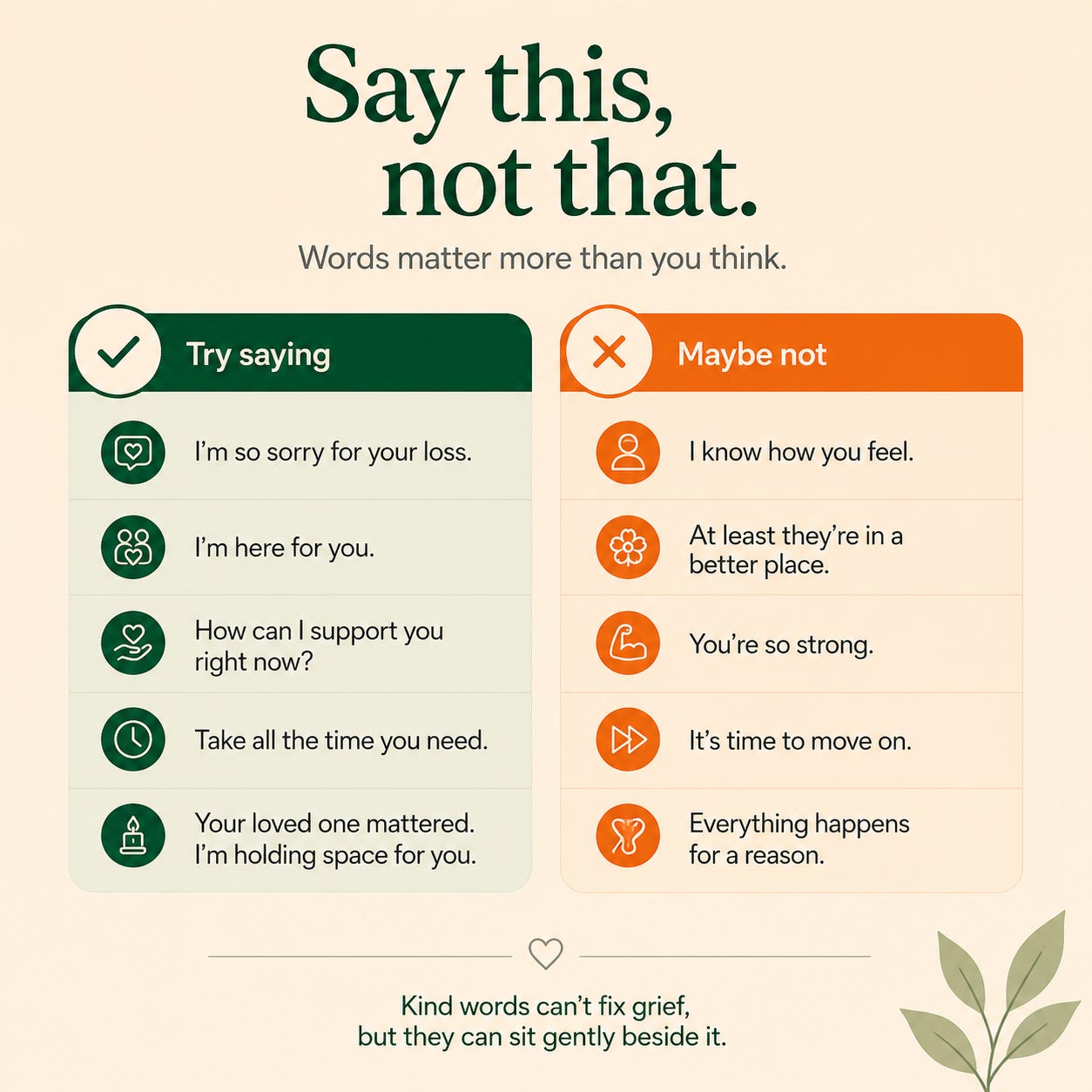
What should we actually say to a grieving widow?
Sometimes grief makes us so uncomfortable that we grab the first words we can find, without stopping to think how they’ll land.
“Everything happens for a reason.” “You need to move on.” “At least you still have your children.” “Be strong.” “God needed him more.” (That last one might earn you a bombastic side eye, and honestly, fair, because why would anyone say that?)
Still with us?
Get the next story like this one straight to your inbox.
Even with the best intentions, these can leave a grieving woman feeling unseen, and sometimes quietly furious.
Try these instead. “I’m so sorry you’re going through this.” “I’m here if you want to talk.” “You don’t have to do this alone.” “How can I support you this week?”
And more than anything, be willing to just listen, without trying to fix what can’t be fixed.
Grieving while raising children
For a widowed mother, grief gets more complicated, because she’s grieving while helping her children through theirs. She has to answer questions she has no answer for.
“When is Daddy coming back?” “Why did Daddy die?” “Will you die too?”
She’s trying to steady her children while she’s shaking with the same fears herself. This is why supporting a widow always means supporting her children too. A meal, a school run, some childcare, a mentor, or simply giving her a chance to rest, any of it can matter more than you know.
What does a widow actually need while grieving?
Different things at different times. Sometimes someone to listen. Sometimes practical help. Sometimes financial support. Sometimes professional or mental-health support. And sometimes just people who don’t disappear once the funeral is over.
The most important thing is to ask instead of assuming. “What would make this week a little easier for you?” That one question can open a door.
Creating a safe space to grieve
This is where community comes in. A widow needs somewhere she can be honest without being judged. Somewhere she can pour it all out and cry a thousand tears. Somewhere she can let her shoulders drop and stay dropped for as long as she needs. Somewhere she can say his name, learn something new, meet other women who just get it, and slowly start to imagine a future that isn’t only defined by what she lost.
This is at the centre of what we do at Gritty Widows Foundation. Creating a safe space for widows to thrive means going beyond immediate relief, giving women somewhere to grieve with dignity, connect, rebuild confidence, find opportunity, and get their footing back, one small step at a time.
The goal was never to tell a widow how to grieve. It’s to walk beside her while she finds her own way.
There is no right or wrong way
Victoria eventually got up.
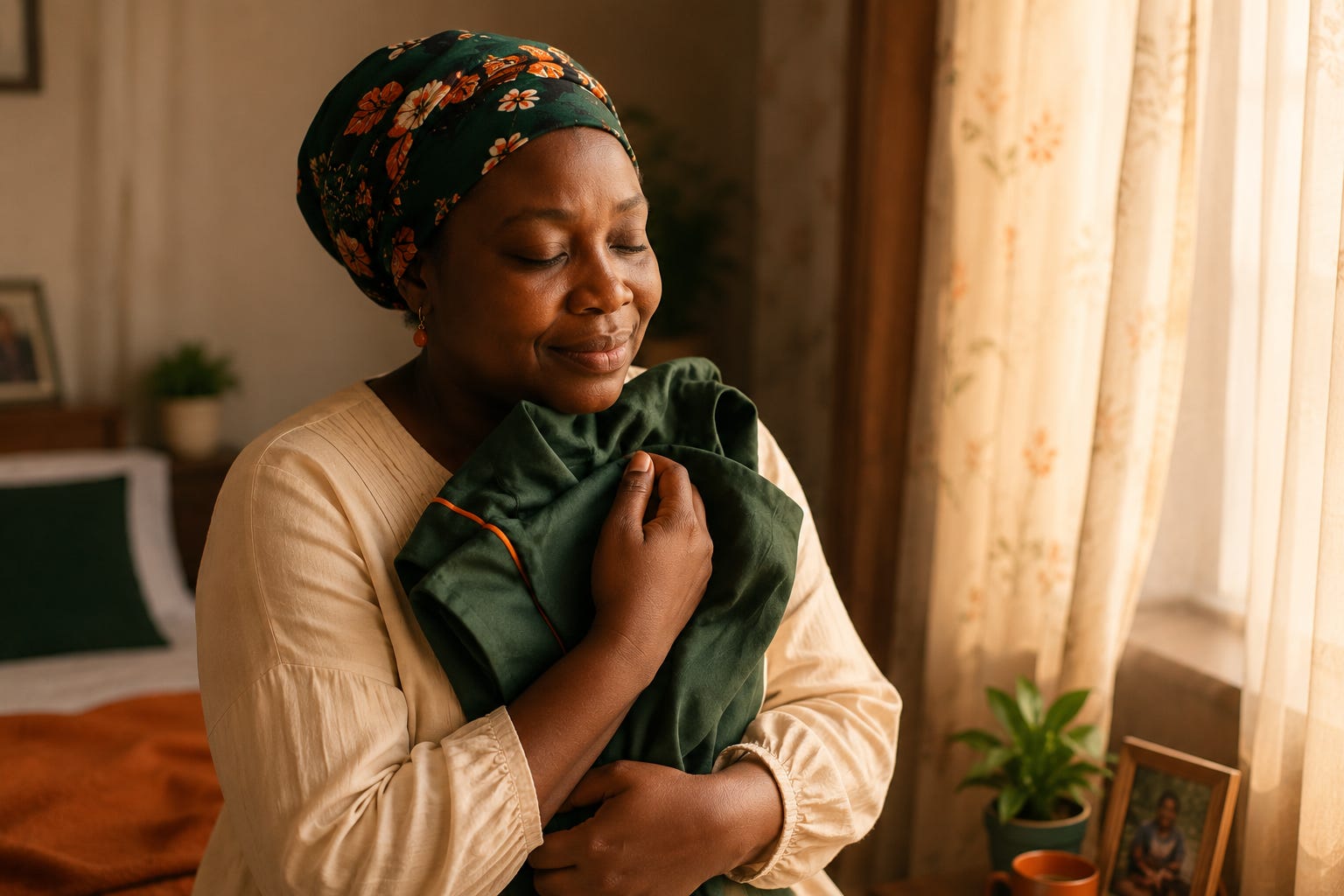
She walked into the living room and found Tim asleep on the sofa, Richard’s old football jersey lying beside him. She picked it up and held it a while. She cried. Then she smiled at a memory. Then she cried again.
And for once, she didn’t ask herself whether she was doing grief properly. She just let herself feel what she felt. Because grief isn’t a test. There’s no perfect timeline, no single correct way to mourn, no rule that says she must have it all figured out.
What she needs is compassion, patience, community, and the freedom to grieve honestly, in her own way.
Understanding widowhood means understanding that a widow doesn’t need to be rushed. She needs space to grieve, heal, rebuild, and, when she’s ready, thrive.
A message from GWF
At Gritty Widows Foundation, we believe no woman should have to walk through widowhood alone.
If you know a widow, don’t wait until you have the perfect words or a big cheque. Check in. Listen. Offer a hand with something practical. Share an opportunity. Just be there.
And if you believe in building communities where widows can heal and thrive, join us in creating that safe space, one woman, one family, one act of support at a time.
With you in it,
Grace
Gritty Widows Foundation
If you or a widow you know is struggling badly with grief, depression, or thoughts of self-harm, please reach out to a trusted doctor or counsellor. Support is a sign of strength, and no one should carry this alone.
If you're grieving, you don't have to carry it alone.
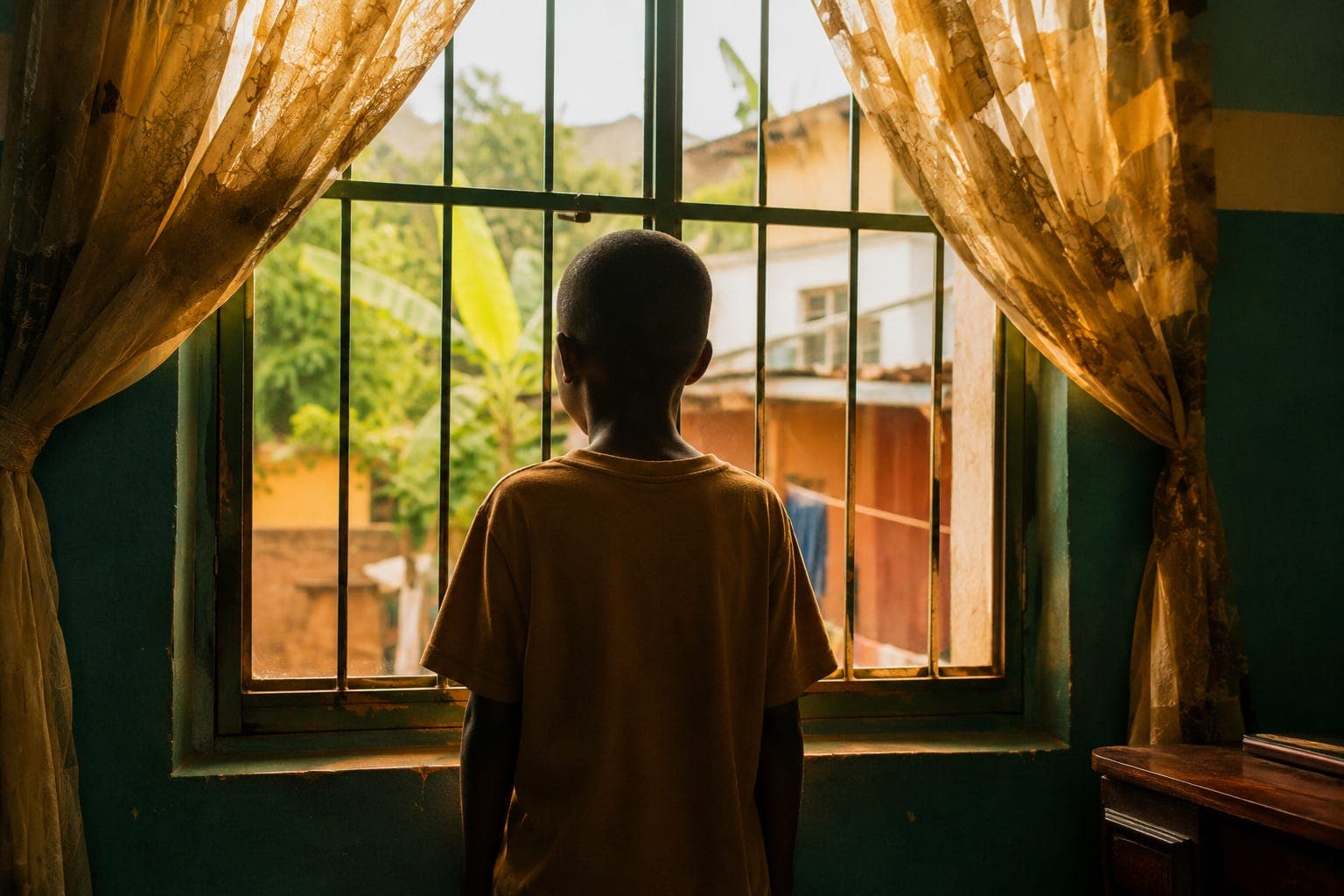
Am I Allowed to Miss Daddy?
The question no child should have to ask alone
Read next →