Am I Allowed to Miss Daddy?
The question no child should have to ask alone
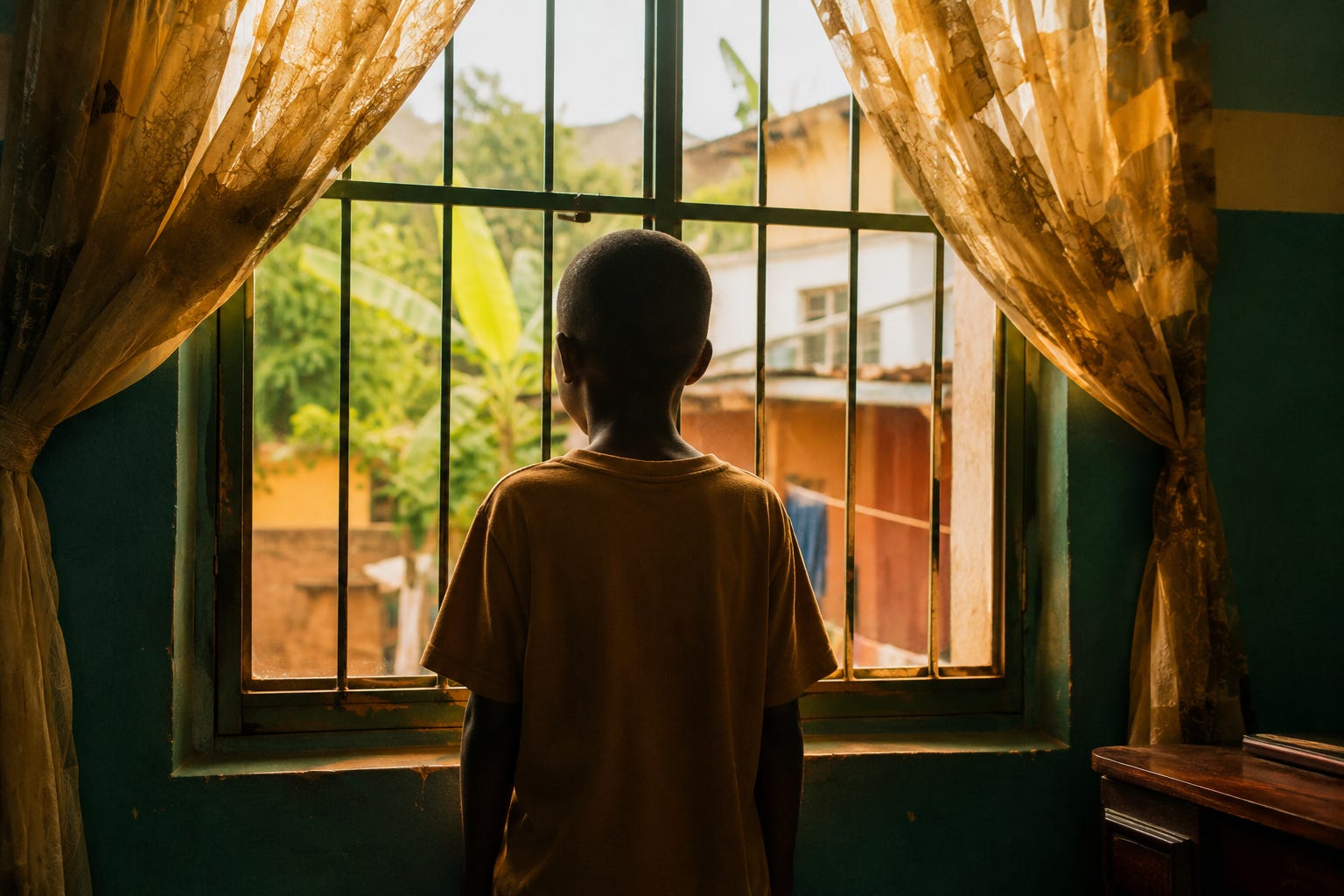
Eight-year-old Ben stood by the window after the funeral.
Still with us?
Get the next story like this one straight to your inbox.
The house was full of visitors talking in low voices. Some were crying. Others held his mother, Susan, and told her they were sorry. Everyone knew what to say to the adults.
Nobody seemed to know what to say to Ben.
One man ruffled his hair. “You’re the man of the house now.”
A woman smiled at him. “Don’t cry. Be strong for your mum.”
Ben nodded politely.
That night he asked his mother something no child should have to ask on his own.
“Am I allowed to miss Daddy?”
Children grieve. They often don’t have the words for it, but they feel the loss as deeply as we do. They just show it differently. Some go quiet. Some get angry. Some ask the same question over and over. Some insist they’re fine when they’re clearly not.
When a child loses a parent, everything changes at once. They stop feeling safe. They worry about what happens next. A lot of them wonder, silently, whether someone else is going to disappear too.
And while the adults in the room are being comforted, the child is usually being told to be strong.
I keep thinking about the things we say to grieving children, none of it meant unkindly. Be strong. Big boys don’t cry. Don’t upset your mother. You’re the man of the house now. Your siblings are watching you.
We say these things to steady them. What a child usually hears is that his feelings are a problem and he should put them away somewhere.
A child who learns to bury grief doesn’t stop grieving. He just does it alone, and then he carries it into adulthood with him.
I heard about a family once who stopped talking about their late father. Not deliberately. Nobody mentioned him, so nobody mentioned him, and after a while the children started losing their sense of who he had actually been. Which is its own kind of second loss, I think.
Their mother noticed. She wrote a book about him so they would always have him. So that one day they could give it to their own children and say, this was your grandfather.
I love that. She didn’t protect them from his memory. She handed it to them.
Grieving children don’t need us to find the perfect words. They need us to stay. Someone who will tell them the truth gently, let them cry without making them feel ashamed of it, and say the name of the person they lost out loud without flinching.
A child rarely remembers whether you found the right sentence. He remembers how you made him feel.
So sit with them and listen, and answer honestly when they ask you something hard. Hold their hand if they want you to. Tell them they are loved and safe and not alone in this, and then tell them again next week, because they will need to hear it more than once.
One more thing worth saying.
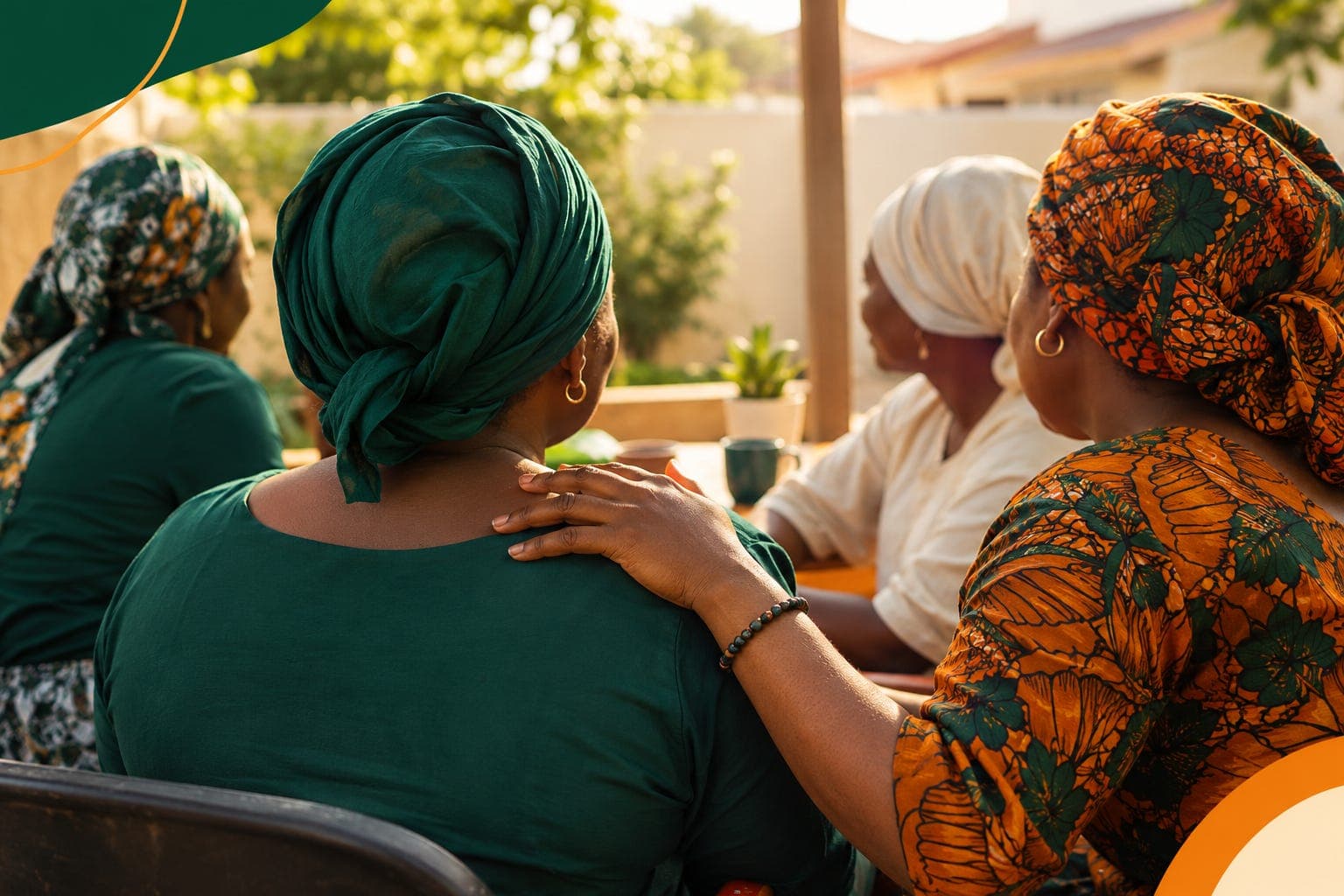
When a family loses a husband and father, the widow is carrying her own grief while trying to hold her children through theirs. She is comforting them on the days she can barely stand up.
So supporting a widow is never only about her. When a widowed mother is held, practically and emotionally and financially, she has more left over to give her children.
That’s the work we do at Gritty Widows Foundation. Healing rarely happens alone. It happens inside a community that stays.
With you in it,
Grace
Gritty Widows Foundation
If a grieving child in your life is struggling, withdrawing, angry, or just not getting any easier over time, please talk to a qualified child counsellor or therapist. Asking for help is care, not failure.
If you're grieving, you don't have to carry it alone.

There Is No Right Way to Grieve
Why grief has no timeline, no formula, and no single face
Read next →