The Boy No One Checked On
How Widowhood Affects the Physical, Emotional, Psychological, and Behavioural Well-Being of the Boy Child
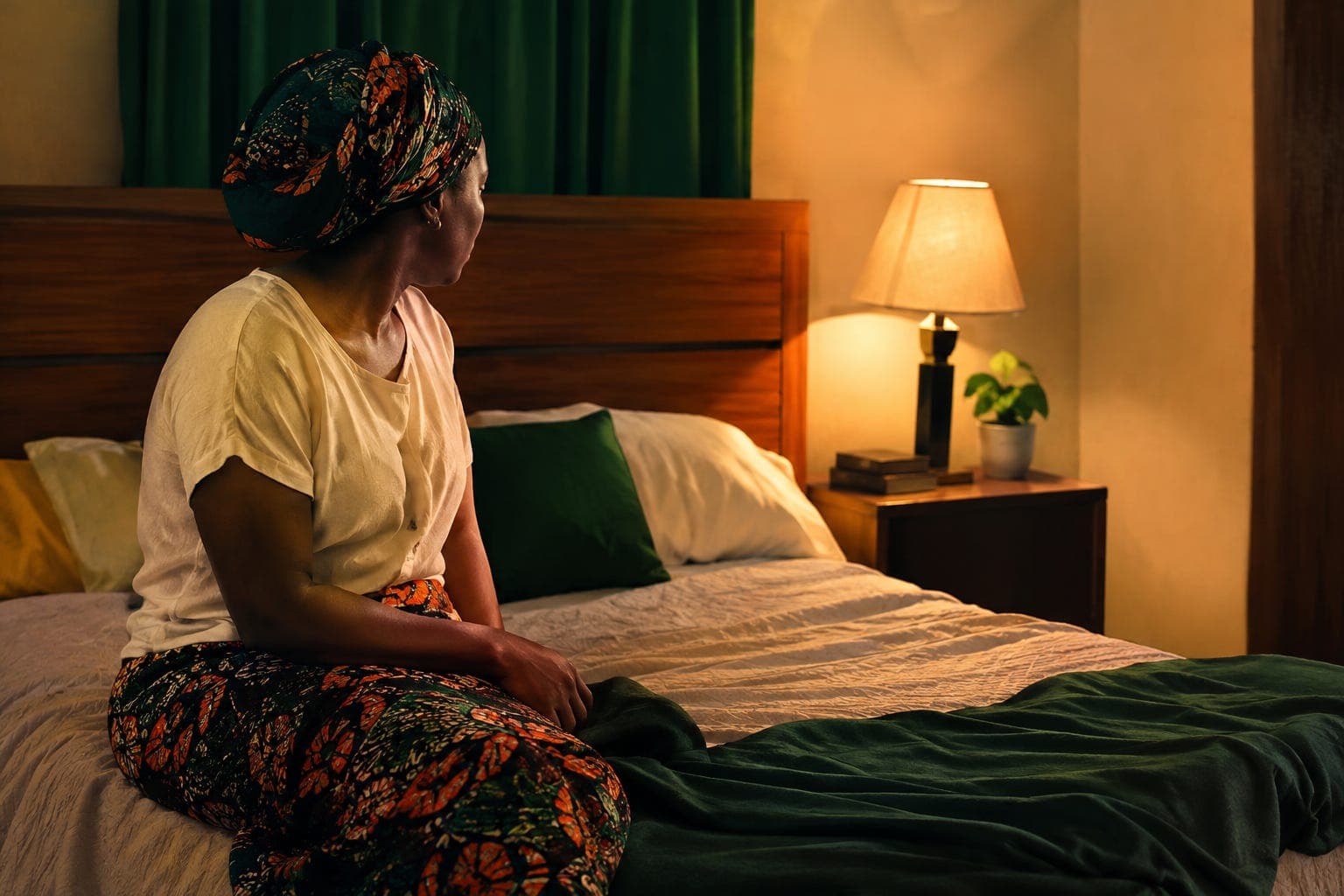
When we talk about widowhood, the focus usually falls on the woman who has lost her husband, and rightly so. Widows carry an enormous weight: the grief, the financial pressure, the social isolation, the quiet unravelling of a life that was built for two. Those burdens are real and they deserve every bit of the attention they get.
But there is another person in that house.
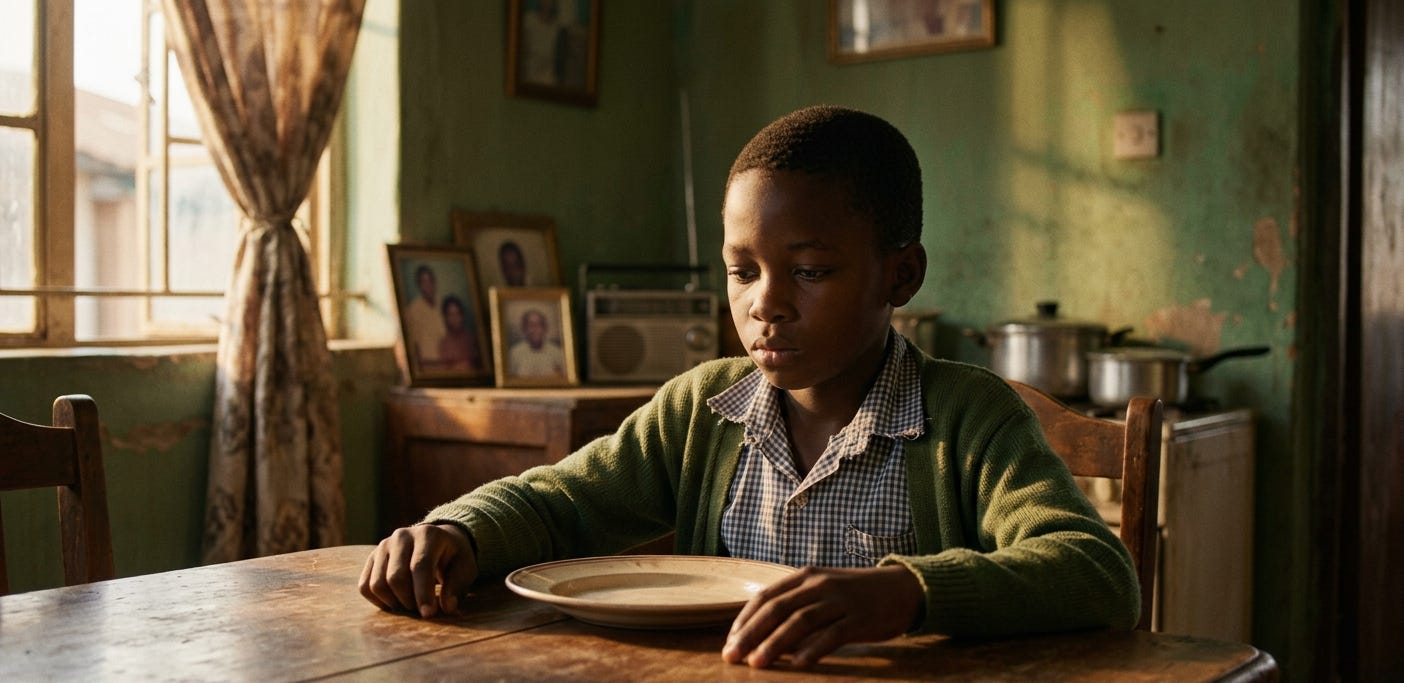
He is sitting quietly at the dining table, or staring at the ceiling in the room that used to hold laughter. He is watching his mother try to hold everything together, and he doesn’t know how to tell her that he is falling apart too.
He is the boy child. And far too often, no one thinks to check on him.
The physical toll
A father’s death can upend the finances of a whole home. In many Nigerian households he is the main provider, and when he’s suddenly gone, the family’s ability to meet even basic needs is thrown into crisis overnight.
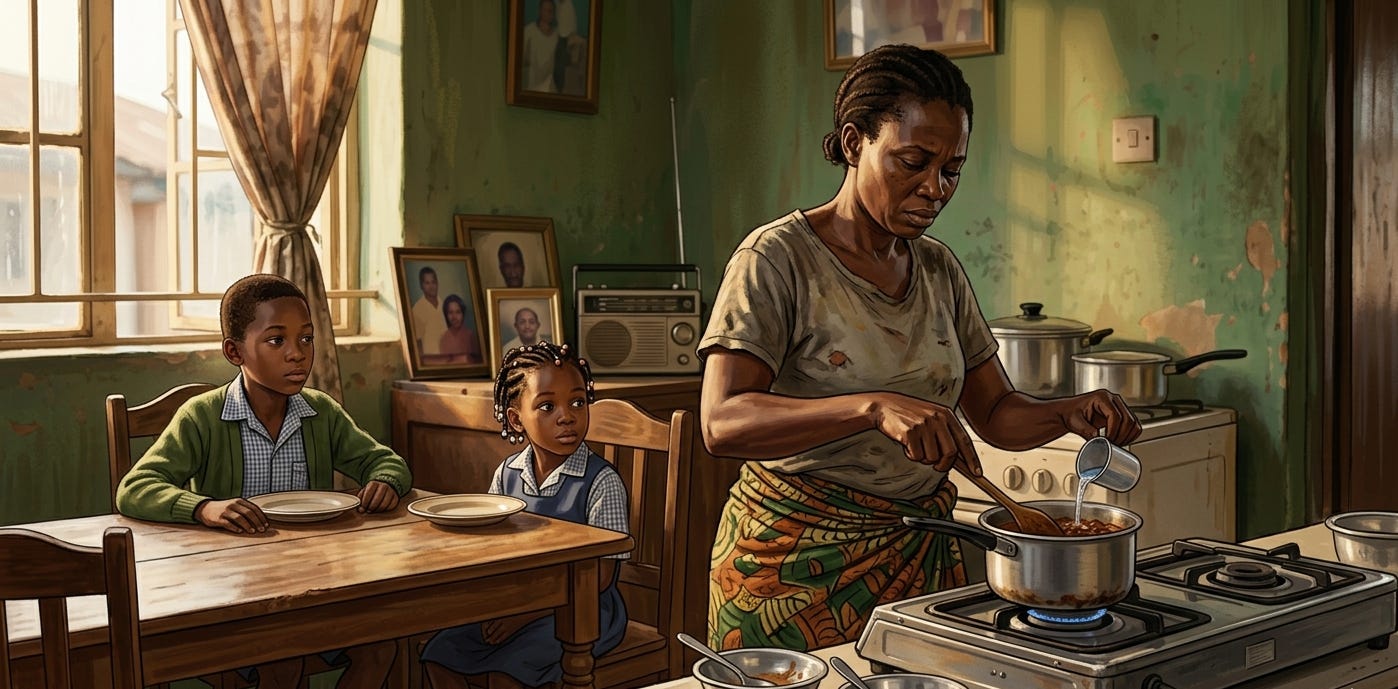
As his mother struggles to cope, a boy starts to feel it in his body before he can put it into words. Meals become irregular. The school-trip fee quietly disappears from the conversation. The uniform that’s already two sizes too small gets worn for another full year. Clinic visits are postponed again and again until something becomes too serious to ignore. In some homes the oldest boy is quietly pulled out of school, not because his mother wants that, but because she has run out of options.
Some boys are made to grow up before they’re ready, carrying adult responsibilities on shoulders that were never built for the weight. And that burden, physical and financial and largely invisible, shapes their health, their growth, and their sense of what life is supposed to feel like.
The emotional toll
Boys grieve deeply. We rarely say that out loud, because many of us were raised to believe grief in a boy was weakness.
After losing a father, a boy may feel a fear he can’t explain, a loneliness that follows him even into crowded rooms, anger that seems to come from nowhere, and a disorienting confusion about the future. > He may feel emotionally abandoned, not because his mother doesn’t love him, but because she is drowning too, and sometimes two people who are drowning can’t reach out to save each other.
So he’s told, out loud or otherwise, to be strong. To hold it together. To be the man of the house now.
He tries. And he holds it together in all the wrong ways.
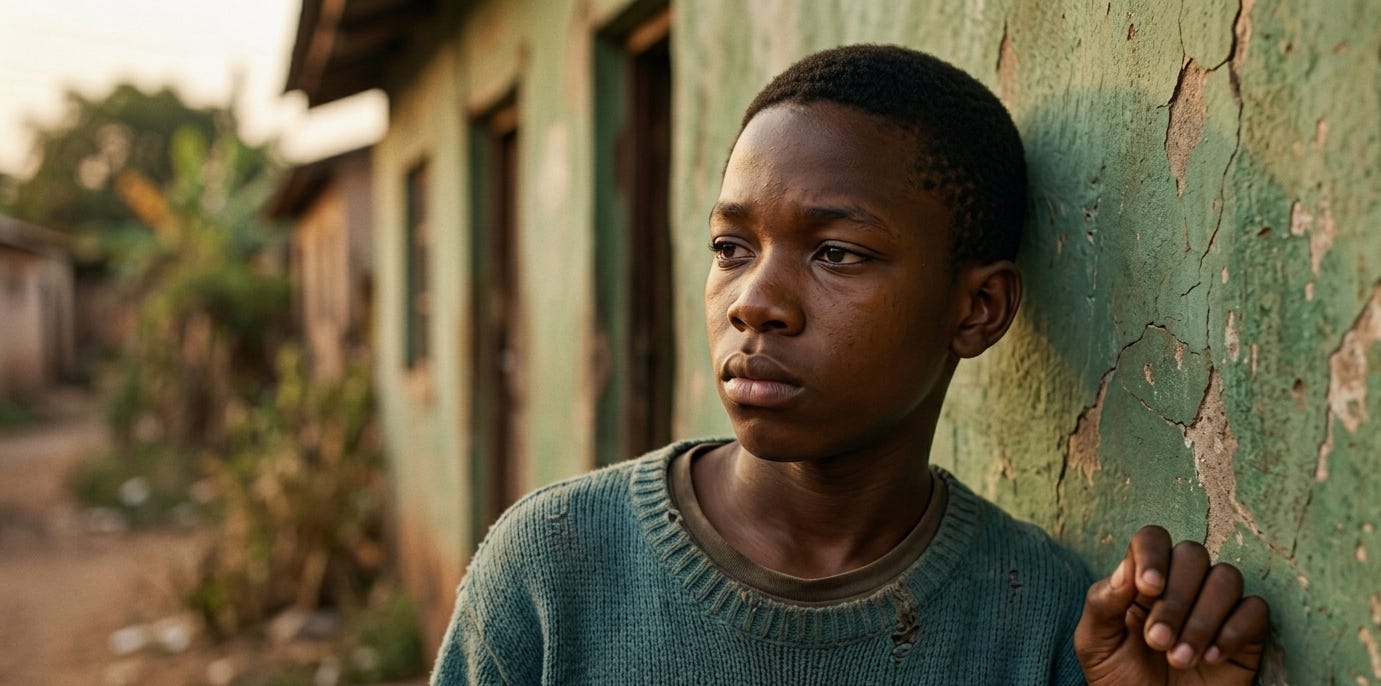
Without support, these feelings don’t disappear. They go underground. Some boys withdraw into silence. Some grow a shell of resentment. Some stop trusting other people, the future, themselves. In homes where a widowed mother is overwhelmed by grief and money worries, children often get less emotional attention without anyone meaning for it to happen. And that gap, small and invisible at first, can quietly widen into something that shapes a life.
The psychological toll
The effects don’t end when childhood does. They travel with him.
A father is more than a provider. For many boys he is the first mirror, the face they look into to understand who they are, what they’re worth, how a man is supposed to move through the world. When that mirror is gone, without enough support or explanation, boys go looking for it elsewhere. Sometimes they find it in good places. Sometimes they don’t.
A father’s absence can quietly plant low self-esteem, anxiety, a fear of failure or abandonment that colours relationships and decisions for years. The trauma of the loss, made worse by instability at home, affects how a boy concentrates in class, how he makes choices, how he imagines his own future. These are not small things. They are the foundations of a life.
When grief comes out sideways
Unaddressed grief finds a way out, and in boys it often comes out through behaviour, the only language they’ve been given permission to use.
Some become aggressive and quick to fight. Others go quiet and pull away from everyone who loves them. Some turn rebellious, or drift toward peer groups that offer the belonging they aren’t finding at home. Some experiment with substances. Some sit in classrooms while being completely absent from them.
And some do none of this. Some boys hold it all in so tightly, so quietly, that they look fine to everyone around them. They function. They show up. And inside, they are fighting something no one can see.
Without guidance, mentorship, and steady love, these patterns don’t simply fade with time. They become the shape of an adult life.
Supporting a widow means protecting her children
You can’t separate a widow’s wellbeing from her children’s. They’re part of the same story.
When a widow gets real support, emotional, financial, communal, she is better able to come home and be present. She can offer stability. She can meet her children’s needs without having to choose which ones to sacrifice. She has enough left in her to notice when her son has gone quiet in a way that isn’t okay.
A widow stretched to her absolute limit, fighting alone, is doing extraordinary things just to get through each day. But there’s only so much one person can give when no one is giving anything back to her, and when she’s running on empty, the children feel it first.
This is why an organisation like Gritty Widows Foundation exists, not only to support women, but to protect whole families. When we build empowerment opportunities, safe community, healthcare access, and income for widows, the effects reach straight into their children’s lives.
Including the boy sitting quietly at the table.
No child should have to silently carry grief, instability, and a sense of being forgotten after losing a parent. Sometimes healing begins with something as simple as being seen. Being heard. Being reminded that the adults around him haven’t forgotten he’s there.
When we strengthen a mother, we protect her children, and the boy child we so often overlook is part of what we’re protecting.
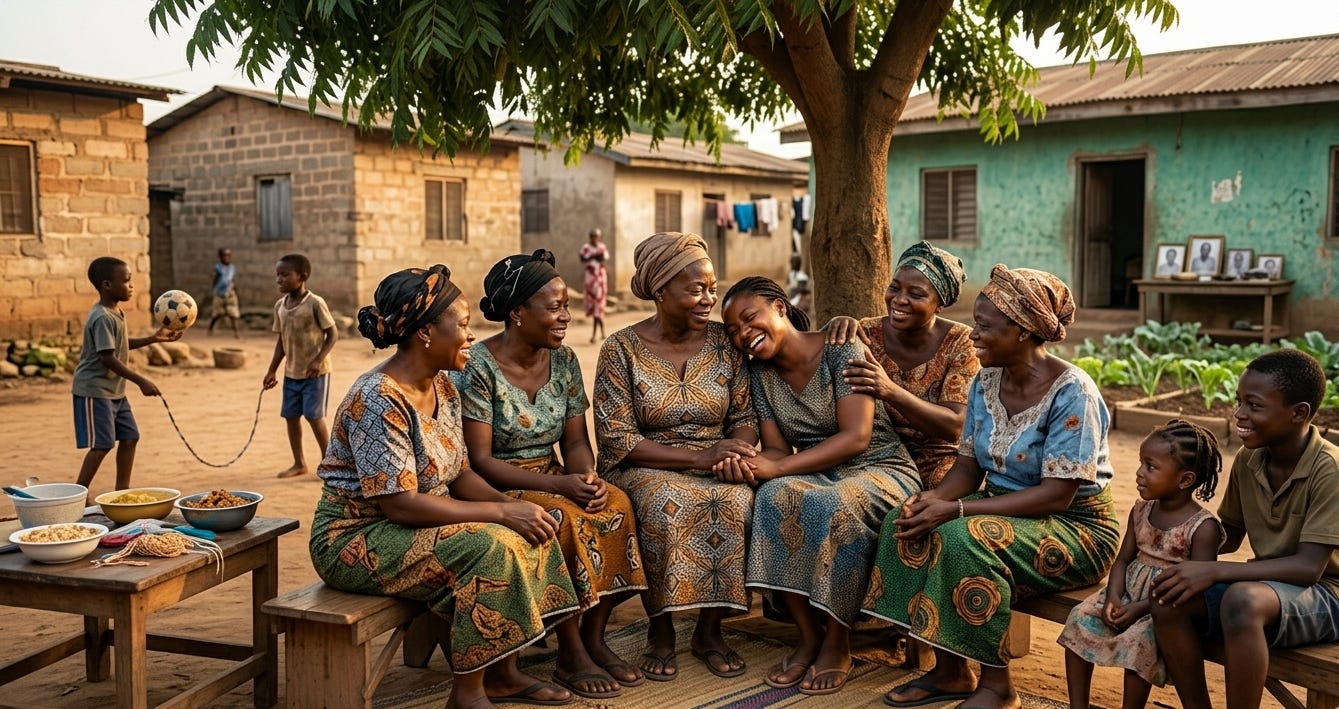
At Gritty Widows Foundation, we’re working to build that future, one widow, one family, one child at a time. Our 2026 programmes, EmpowerAWidow, BackToSchool, and HealthAccessDrive, exist because we believe no family should have to face this alone.
If this moved you, please share it. Share it with the teacher who works with fatherless boys, or the aunt who’s been quietly wondering how to help. And if you’d like to go further, to give, to volunteer, or just to learn more about what we’re building, we’d love to hear from you.
Help us support widows and fatherless children in Nigeria.