The Rice Will Finish
"Teach me what won't," she said. It changed how we work.
The first time I met the woman I’ll call Mama Tayo, she wouldn’t look at me.
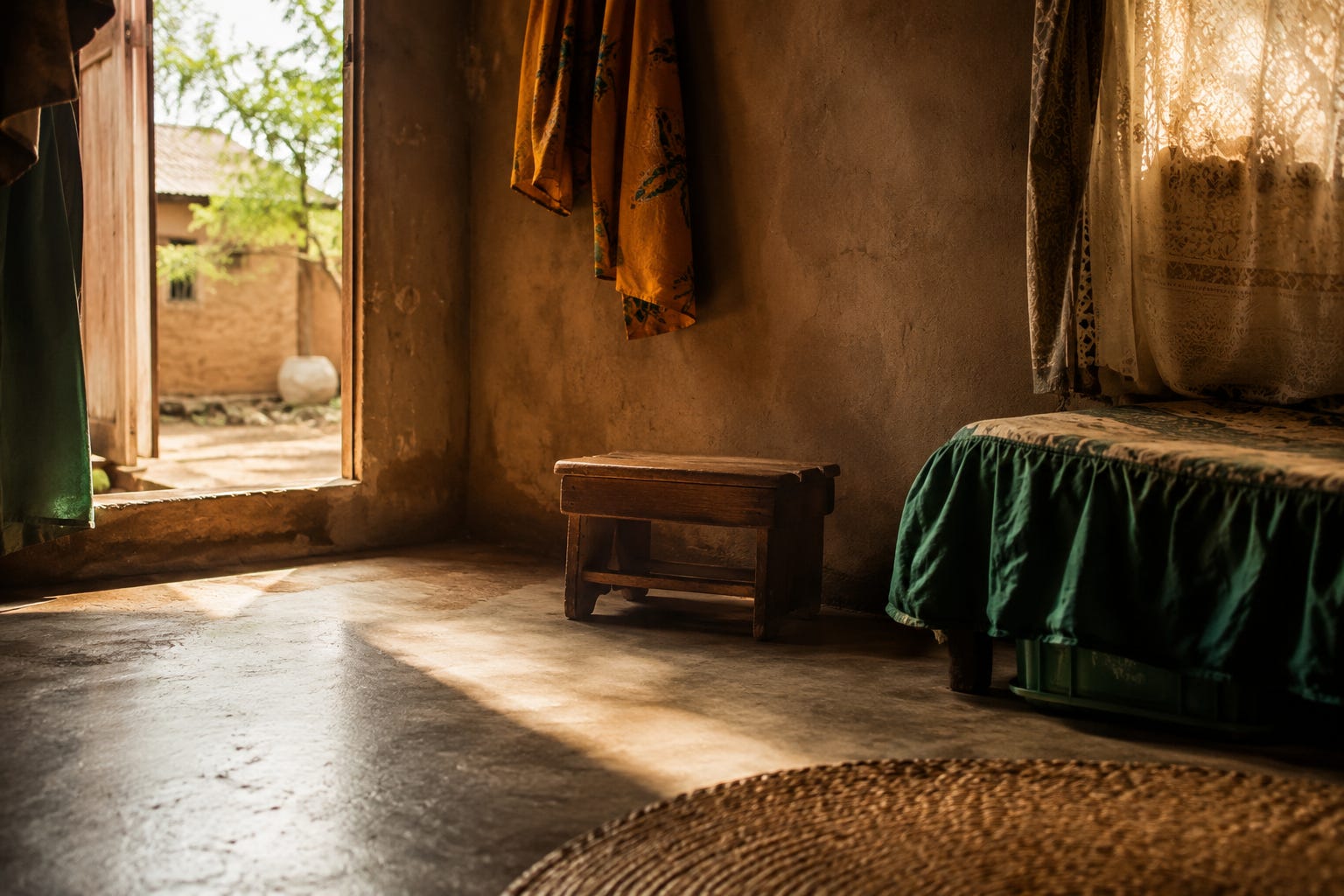
She sat on a low stool in the corner of the room, hands folded in her lap, while a neighbour explained the situation for her. Her husband had died of an illness some months earlier. She is Yoruba; he was Edo; they had married across that line and built a life together, and now she was raising their four boys alone.
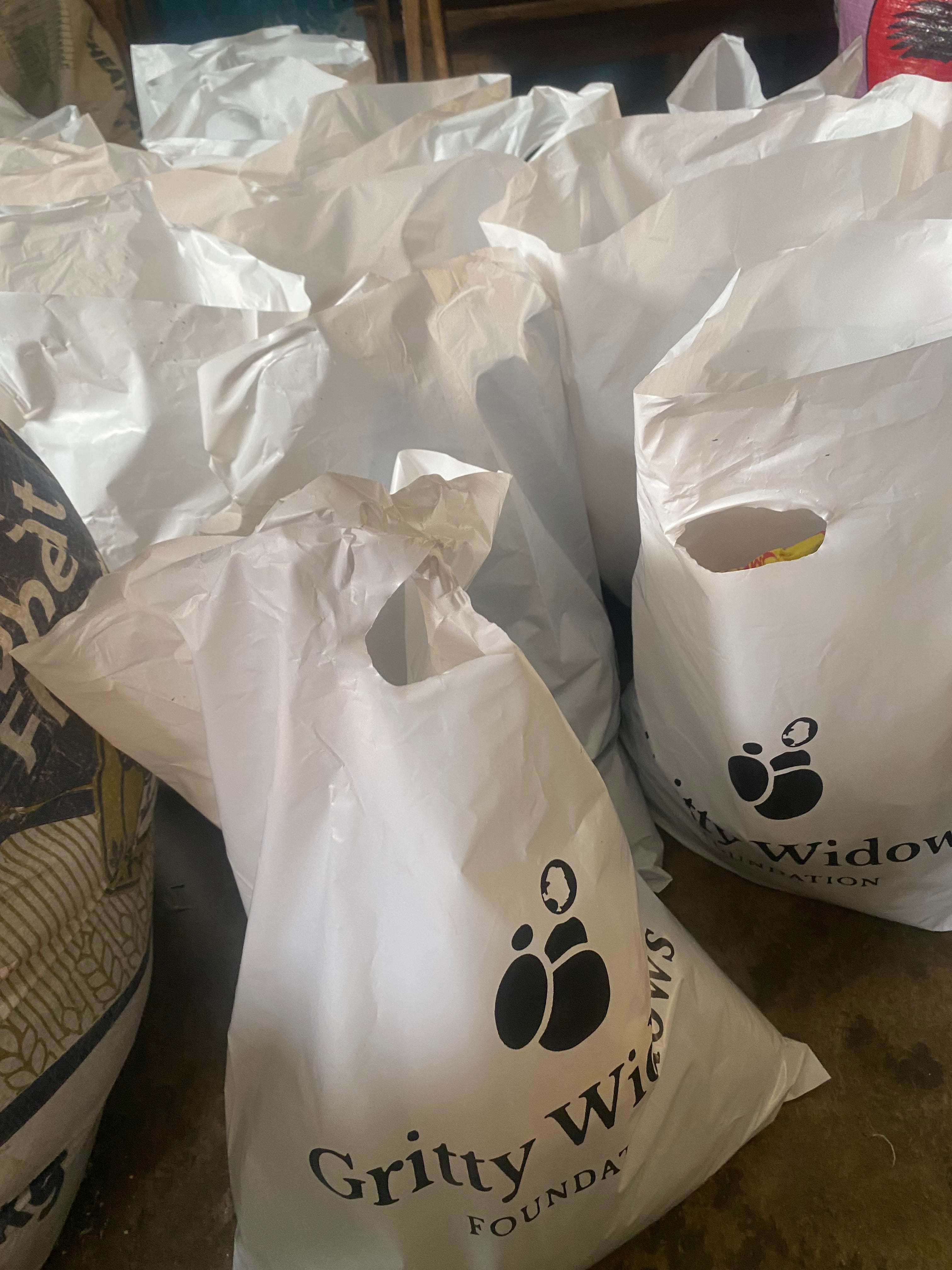
We had come with a handout, the way we did at our first outreach: a bag of rice, garri, beans, sachet tomatoes, oil, a few cubes of Maggi. She thanked us quietly, the way people thank you when they’ve learned to expect help and to expect it to run out.
Still with us?
Get the next story like this one straight to your inbox.
What I only learned later was that there had been nothing in her house that day. Nothing at all. What we left behind was what her four boys ate that evening. She told me this a long time after, and plainly, without any drama, which somehow made it land harder.
This was not the first time we had come, either. We had brought her relief before, in an earlier year, and again after that. Two handouts, in two different years, each one gratefully received, each one gone within weeks. I didn’t think much of it at the time; that was simply how the work went. Looking back, those two empty bags are the whole reason this story exists. She had been helped twice, and twice returned to exactly where she started. The help kept arriving and kept finishing, and her life did not move.
There was more I learned later, too. When her husband died, his relatives came and took what little there was to take, down to the television and the table. It’s an old, cruel pattern in this country, and it doesn’t belong to any one people; widows everywhere are stripped of the small things they built a home around. She didn’t fight it for long. She gathered her boys, moved into a single room, a face-me-I-face-you, and set about the only work she could see a way to do.
But it was something she said as we were leaving that afternoon, the third time we had come, that I’ve never been able to forget.
“The rice will finish,” she said. “Teach me what won’t.”
I stopped at the door.
She wasn’t being ungrateful. She was being honest in a way most of us are too polite to be. She had done the arithmetic every widow in her position does in the dark, and by now she had done it three times. A bag of rice was three weeks, maybe four. And then she’d be exactly where she started, only a little more tired and a little more ashamed of needing help again.
She didn’t want to be helped again. She wanted to not need helping.
A different question
So the next time, we asked her a different question than the one we usually ask. Not “what do you need this week,” but “what are you already doing.”
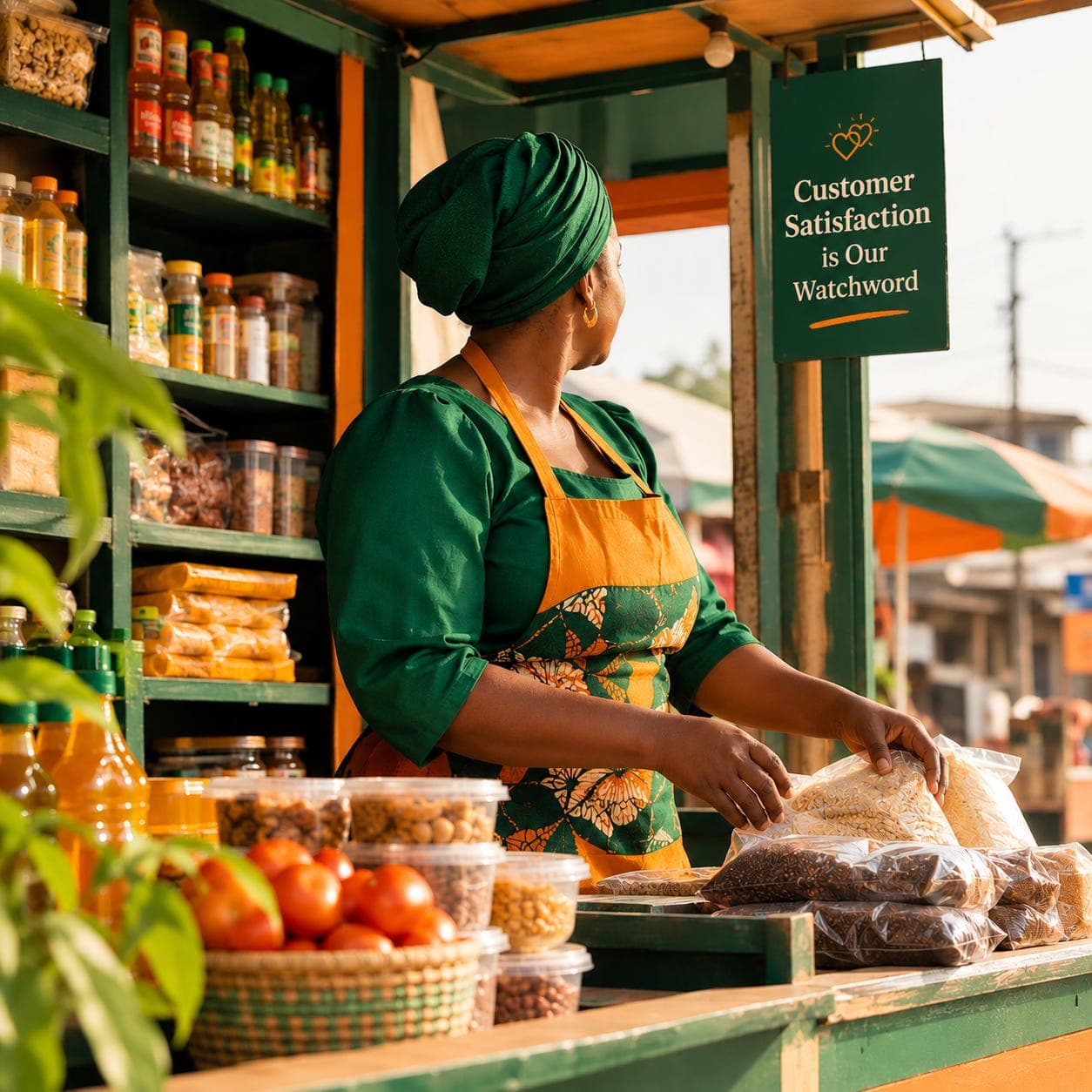
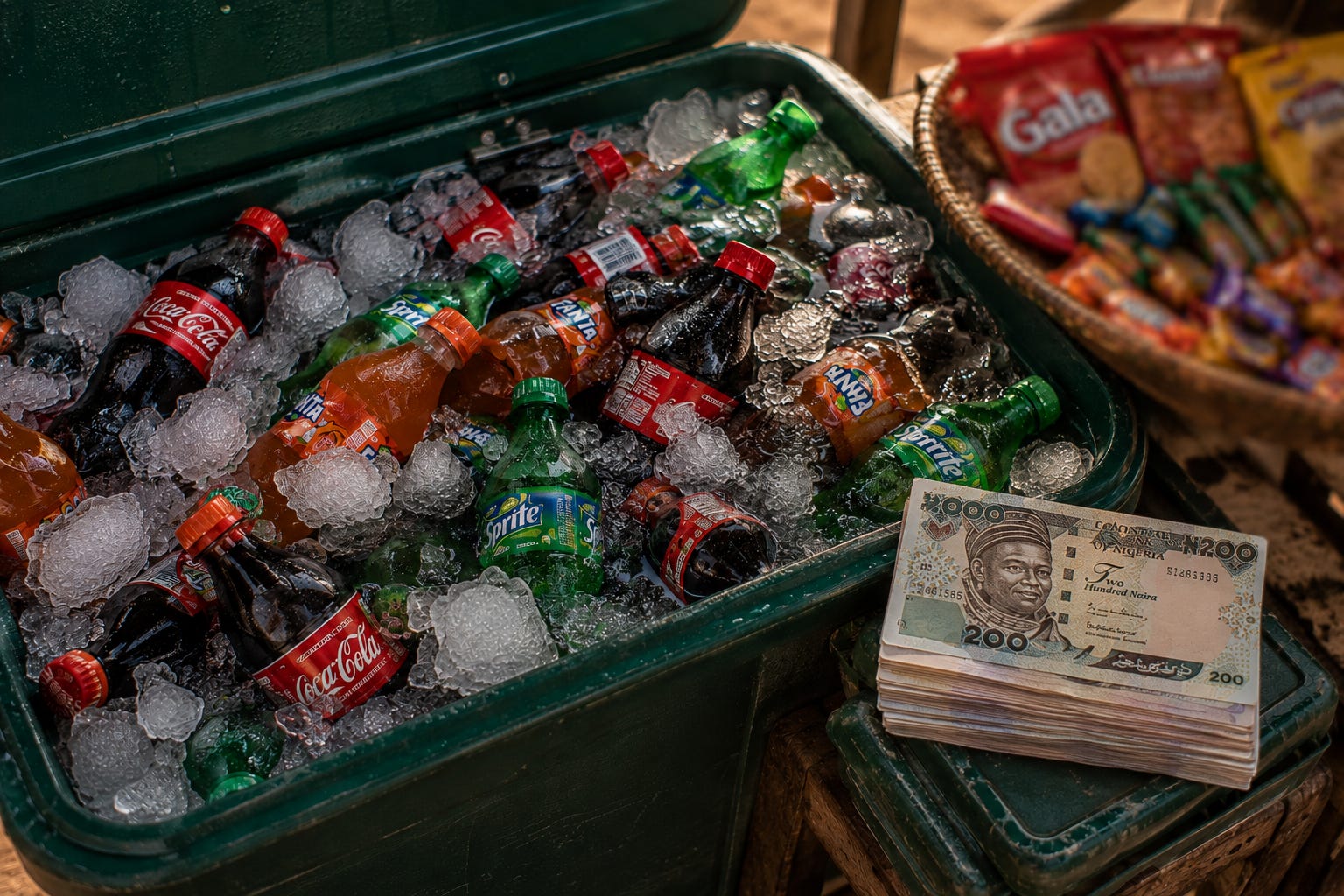
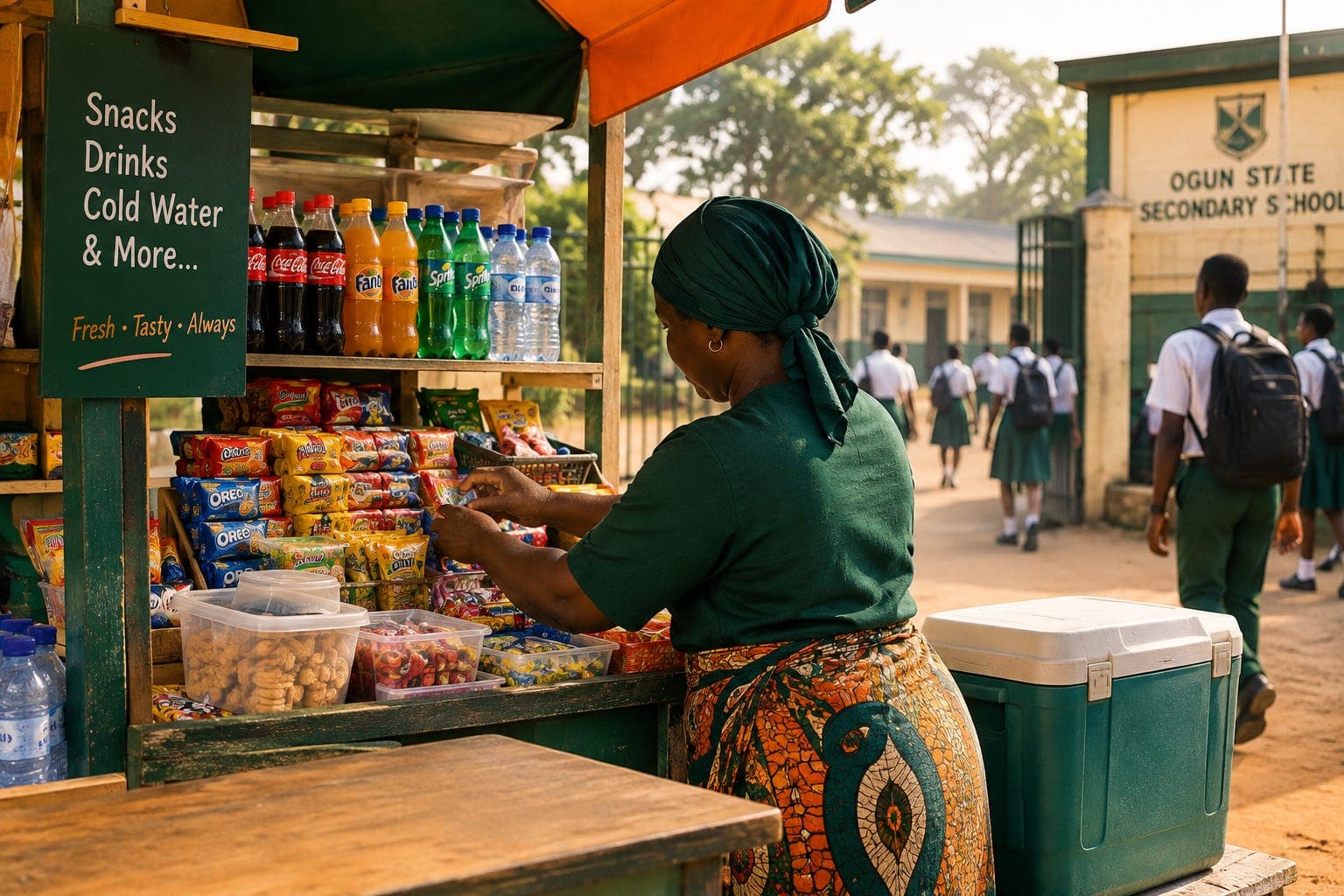
Because she was doing something. In that single room, with four boys to feed, she had started a small trade, the kind you see on every street in Lagos. Soft drinks, Pepsi and Coke and Fanta and Big Cola, chilled on a block of ice because she had no fridge and no shop to put one in. Biscuits and sweets in a basket beside them. That was the whole business, laid out to sell to whoever passed. It was keeping them alive, barely. She was turning about ₦400 in profit a week from it. Four hundred naira, for a family of five. That is not a business yet. That is a woman refusing to drown, using the only plank within reach.
We didn’t bring another bag of rice.
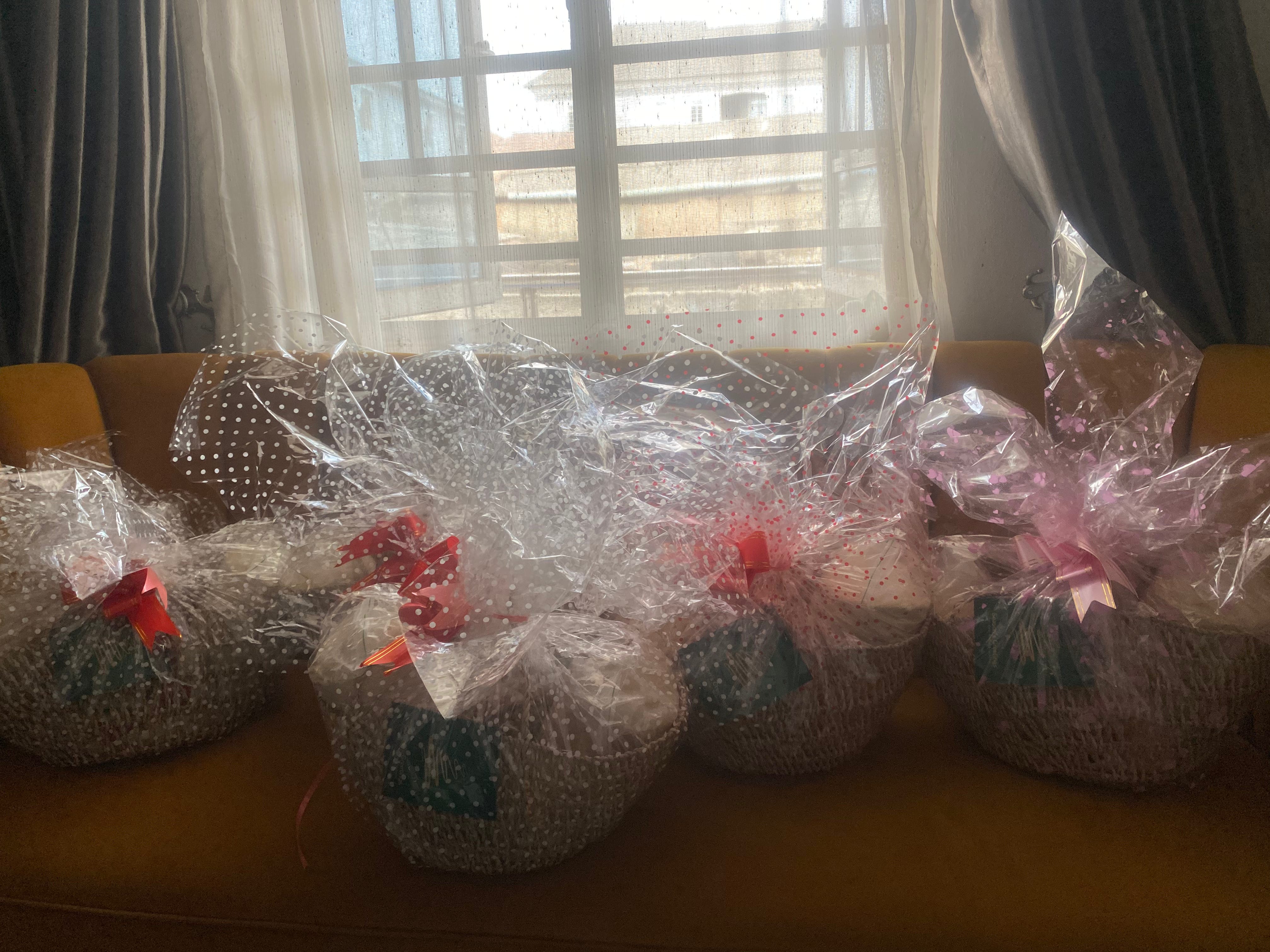
She became the first widow in our EmpowerAWidow pilot. We put ₦100,000 into her hands, not to start something, but to grow the thing she was already breaking her back to keep alive, and we sat with her over the small things that decide whether a petty trade becomes a real living. Her pricing, because she was undercharging, the way they nearly always do at first. Buying her stock in enough quantity, and from the right place, that the margins actually worked. Keeping enough back so a good week wasn’t wiped out by the next lean one. And then, this is the part people skip, we didn’t disappear. We came back. Two weeks later. A month later. Not to check on a charity case, but to see how the business was doing.
What we’re still building
I want to be honest about where this story is, because honesty is the whole point of how we work.
That ₦100,000 was real, and for a woman who had been turning ₦400 a week, it was not a small thing. It was capital in the hands of someone who already knew exactly what to do with it. But I’m not going to stand here and tell you she’s arrived, that every problem is solved and the future is secure. It isn’t, not yet. Moving a woman from surviving to genuinely thriving, from a plank in the water to a business that can carry four boys for years, takes more than one injection of capital. It takes savings, and mentoring, and a cushion for the bad weeks, and a plan for growing past a block of ice on the roadside. That deeper, sustainable work is what we’re building toward for her now, and what we’re raising funds to do properly for the widows coming after her.
What I can tell you is that the direction has changed. She is no longer waiting for the next handout to arrive. She is growing something that is hers.
The last time I saw her, she wasn’t sitting in a corner waiting to be spoken for. She was busy. There were customers, and a small exercise book where she writes down what she makes each day, in her own handwriting. She looked up, saw me, said “you came,” pleased, and went straight back to serving, because there was money to be made and she didn’t have time to sit and be grateful.
That was the most beautiful thing I could have seen.
Why this matters more than rice
I think about that afternoon a lot. About how close we came to doing what we had already done twice, just handing over the food and leaving, the way we always had. She would have thanked us, the way she had thanked us twice before. We’d have felt we’d done something. And in three weeks she’d have been hungry again, and nothing would have changed, exactly as nothing had changed the first two times.
The rice always finishes. That’s the truth she taught me on a low stool in the corner of a room. What you build with a widow doesn’t.
And it doesn’t stop with her, which is the part I wish more people understood. When a widow earns her own living, her children stay in school instead of being pulled out to hawk on the road. They eat because there is income coming in, not because a stranger passed by that week. Her boys grow up watching their mother run something of her own, which teaches them more about what is possible than any lecture could. That’s one family lifted out of a cycle that usually repeats itself for generations.
Multiply that by many. A widow with a real business buys her stock from someone, sells to her neighbours, and in time might take on a hand or two. She stops being a household that the state and the charities have to carry, and becomes one that carries itself and adds a little to everyone around it. That isn’t sentiment. It’s the plain sense of it: a country with millions of widows can spend decades managing their poverty, or it can invest once in what they’re already able to do and let them build. One of those costs far less, and leaves people their dignity instead of taking it.
This is why, at Gritty Widows Foundation, we no longer measure our work in bags of rice handed out. We measure it in women who, one day, won’t need us at all. That’s the goal. Not widows who depend on us forever, but widows who look up from a business that is theirs and don’t have time to sit and thank anyone, because they’re too busy earning their own living.
That’s what dignity looks like. It looks like a woman who is too busy to be grateful.
With you in it,
Grace
Gritty Widows Foundation
Help fund the next widow's path to financial independence.
One Hundred Thousand Naira
What it really changed for Mrs. Esther and her four boys
Read next →