What We Get Wrong About Comforting a Widow
What every grieving widow wishes you knew

Be Her Miriam
Susan sat quietly in the living room, fingers wrapped around a cup of tea that had long gone cold. Three weeks had passed since her husband, Daniel, died, but time felt strange now. The days were longer, the nights heavier, and the silence in the house was louder than anything she had ever known.
Their eight-year-old son, Ben, sat on the floor nearby, absentmindedly pushing a toy car back and forth.
Since the funeral, visitors had come almost every day. Family members, neighbours, church members, well-wishers — all arriving with kind intentions and sympathetic faces. But Susan was beginning to realise that good intentions do not always bring comfort.
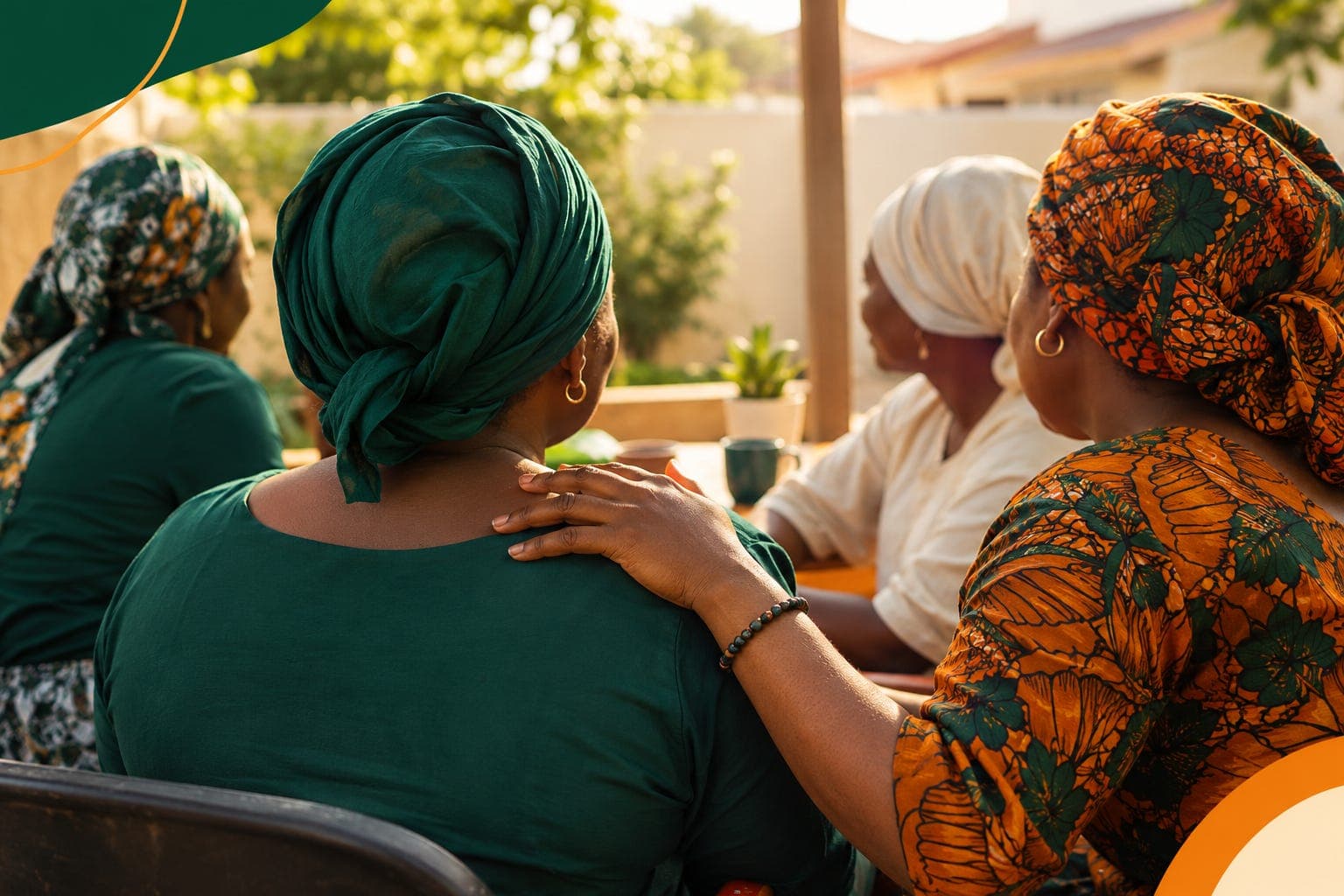
One afternoon, a woman beside her patted her shoulder gently. "At least he's in a better place," she said.
Still with us?
Get the next story like this one straight to your inbox.
Susan forced a smile. She knew the woman meant well, but the words only reminded her that Daniel was no longer here. The better place everyone spoke of was one she couldn’t reach, at least not now. Else how would Ben survive? she thought. She didn’t need to be reminded where Daniel was. She needed someone to acknowledge where she was.
Later that day, another visitor leaned forward. “You have to be strong for Ben.”
Susan nodded politely. Inside, a lump rose in her throat. Strong? Everyone kept asking her to be strong. No one had asked if she was okay. No one had told her it was okay to fall apart sometimes.
That evening, another person said, “Everything happens for a reason.”
Susan stared at her hands. She wasn’t searching for reasons. She was grieving a husband, and her son was grieving a father. Some pains don’t need explanations. They need compassion.
A few days later, an older acquaintance smiled gently. “You’re still young. You’ll find someone else.”
Susan blinked in disbelief. Find someone else? she screamed quietly inside. As if Daniel could be replaced. As if thirty years of memories and laughter and arguments and dreams could simply be swapped for another person. She smiled politely again, and her heart sank deeper.
The hardest moment came when someone looked around the house and said, “It’s been three weeks now. You should start moving on.”
Susan felt something inside her break. By then she wished she could just say no to any more visitors. Most of their words were doing more harm than good, and they didn’t even know it.
Three weeks. Only twenty-one days since she’d watched the person she loved disappear from her life forever. Twenty-one days since Ben had stopped asking his father to help with his homework. Twenty-one days since she’d become both mother and father overnight.
How could grief have an expiry date?
That night, after everyone had left, Ben walked over and rested his head on her lap. “Mommy,” he whispered, “do we have to be strong all the time?”
Susan’s eyes filled with tears. “No, sweetheart,” she said softly. “We don’t.”
Ben looked up at her. “Then why does everyone keep saying that?”
Susan didn’t know how to answer.
The truth was, people often want to fix grief because grief makes them uncomfortable. But grief is not a problem to solve. It is a burden to carry, one day at a time.
The next morning, there was another knock at the door. Susan opened it to find her neighbour, Miriam, standing there with a bag of groceries.
Miriam didn’t say, “Everything happens for a reason.” She didn’t say, “Be strong.” She didn’t say, “Move on.”
Instead, she simply said, “Susan, I’m so sorry. This must be incredibly difficult. You don’t have to do this alone.” Then she added, “I’ve brought groceries for the week, and on Thursday, I’ll pick Ben up from school so you can rest.”
Susan fell into Miriam’s arms and held on, the kind of hug she hadn’t had in weeks. It lasted a long moment.
For the first time since the funeral, Susan felt her shoulders relax. Not because her pain had disappeared. Not because her grief was over. But because someone had finally understood.
Sometimes the greatest comfort is not found in saying the right words. It is found in choosing not to say the wrong ones.
Widows don’t need timelines or explanations. They don’t need to be told to replace the person they lost. They need patience, practical help, and people willing to sit with their pain instead of rushing them out of it. Because widowhood isn’t simply the loss of a spouse. It’s the reshaping of an entire life, a chapter no one expected or prepared for.
Healing begins when we stop asking widows to be strong, and start reminding them they don’t have to carry the weight alone.
This is the heart of why the Gritty Widows Foundation exists. Not to hand a widow a timeline, but to be her Miriam: the steady presence, the practical help, the person who stays.
If this moved you, reply and tell me: what’s the most unhelpful thing someone said to a grieving person you love? And if you want to be a Miriam to a widow this season, we’ll show you how.
With you in it,
Grace
Gritty Widows Foundation
Ready to put this into practice? Join us as a volunteer.

Education, Community and Mentorship: How to Truly Support Low-Income Widowed Families
Why keeping a child in school takes more than school fees, and how a village can change everything
Read next →