What Actually Happens After the Funeral: The Reality No One Talks About
A Gritty Widows Foundation Perspective
The funeral is the easy part.
It sounds harsh, but ask any widow in Nigeria and she’ll tell you the same thing.
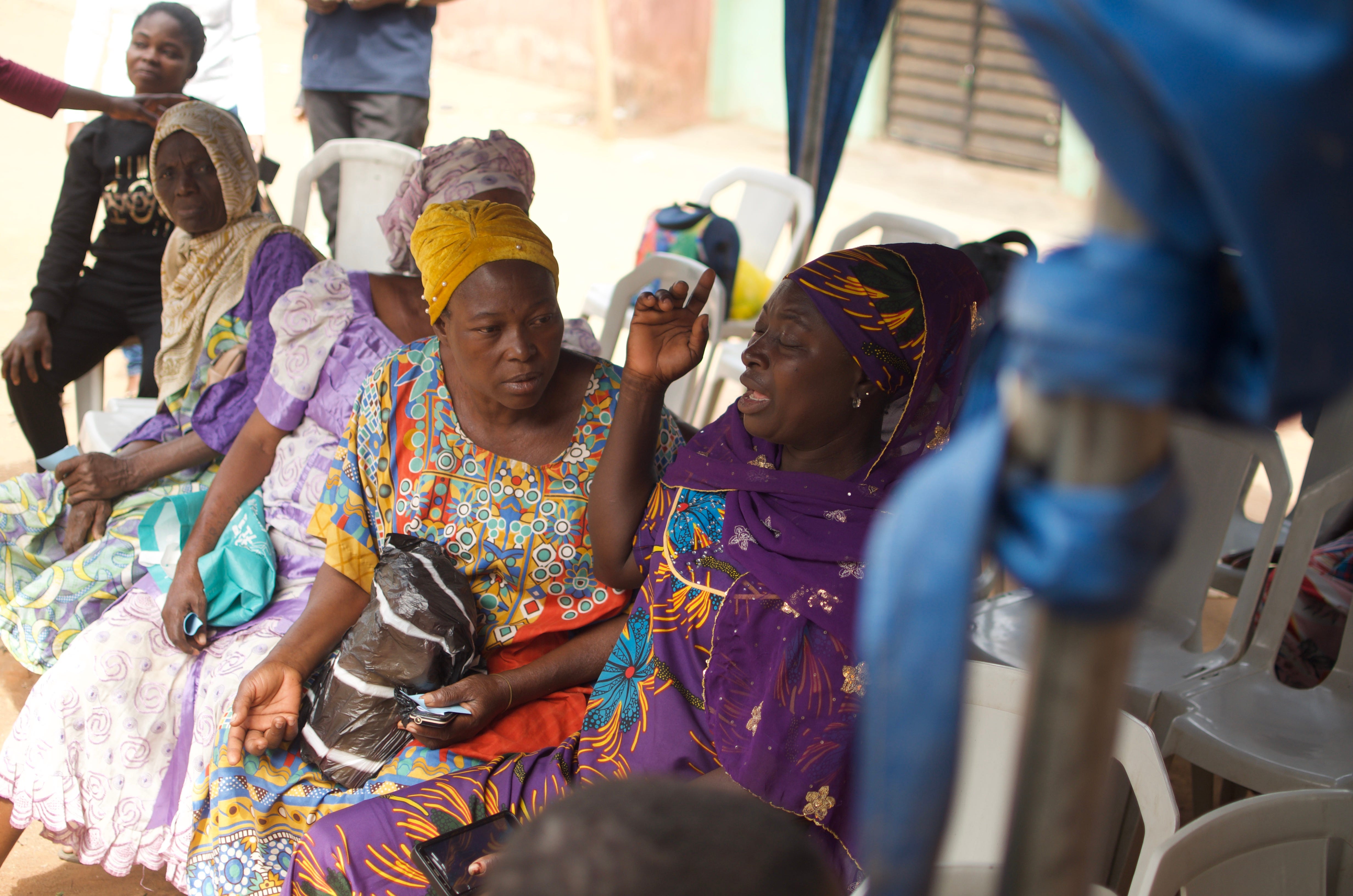
The funeral has a script. There's food, flowers, sympathetic faces. Relatives travel in from far away, neighbours help with the arrangements, church members organise the prayers. Everyone knows their role and everyone shows up.
And then, usually within a week, it’s over.
That’s when the real test begins.
Week One: The House is Full
In the first days, a widowed family is rarely alone. The compound is full of people. Relatives sleep on mats in the living room. Women from the neighbourhood bring pots of jollof and stew. The pastor stops by daily.
The children are distracted by the unusual crowd, confused but occupied. The widow moves through the days in a fog, surrounded by voices telling her “God knows best” and “be strong for the children.”
It almost feels manageable.
Week Three: The Compound Empties
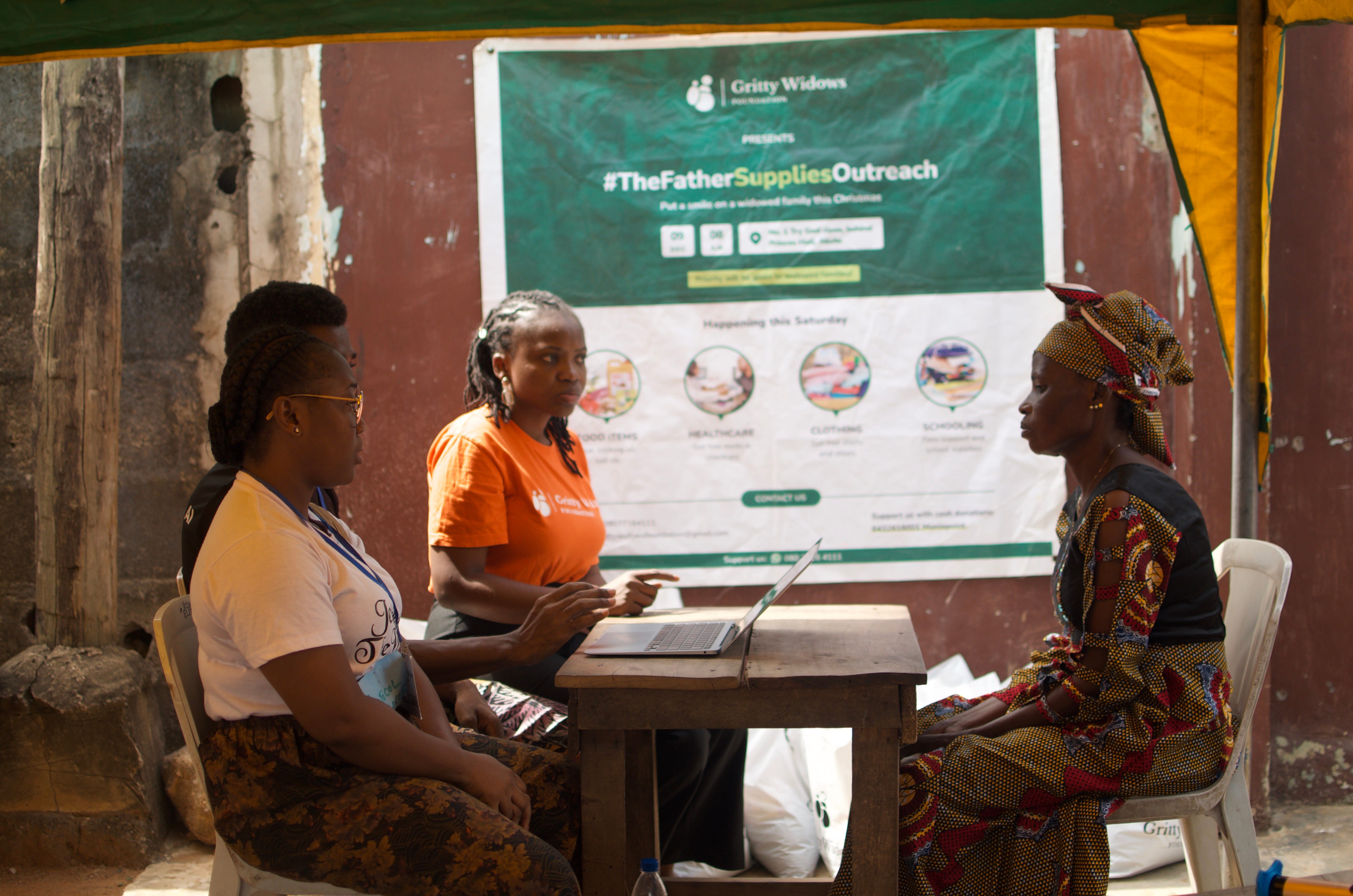
Then everyone goes home.
The relatives return to their own lives. The church moves on to the next crisis. The neighbours stop bringing food.
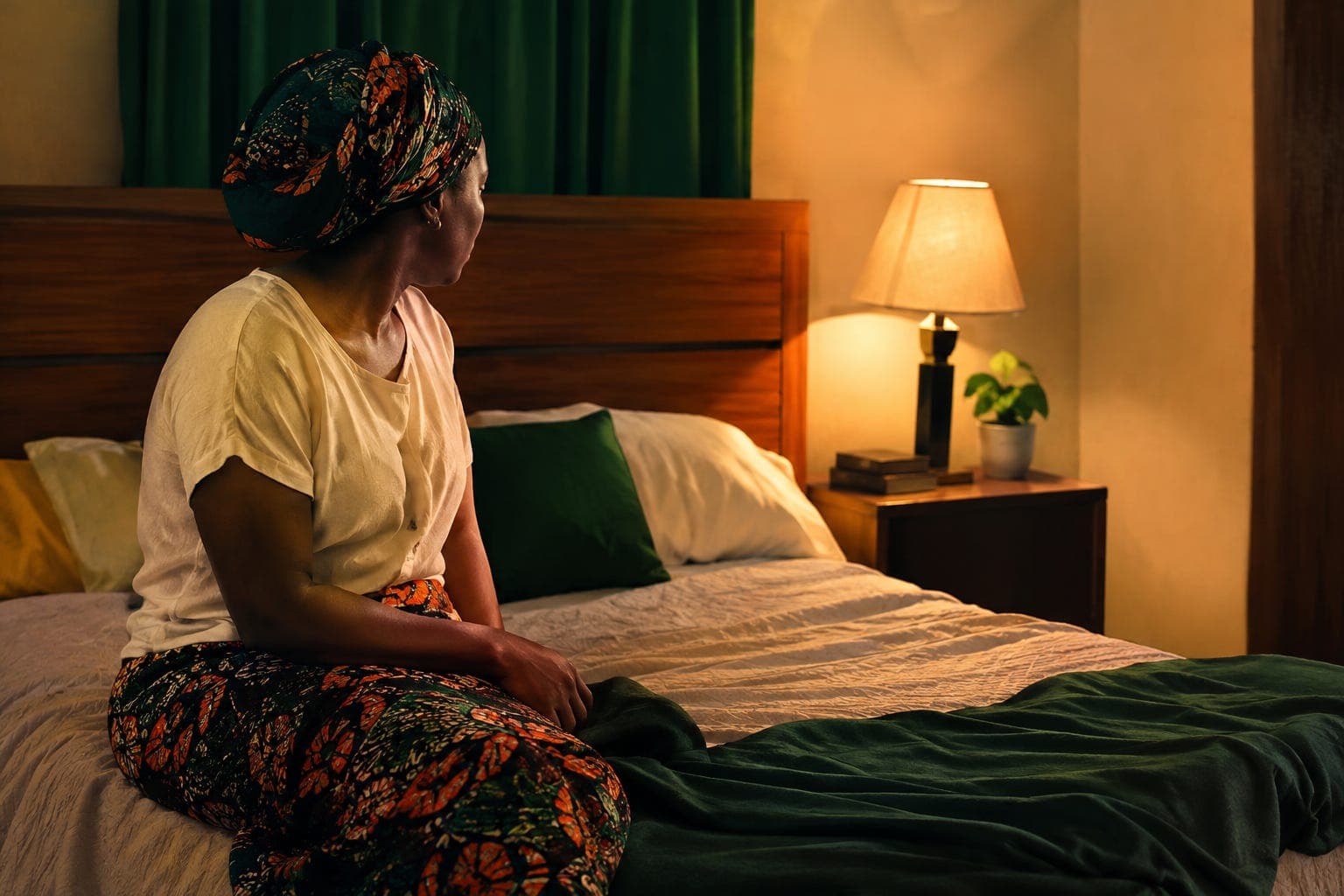
One morning the widow wakes up to silence. Just her and the children, and the bills that have been quietly piling up. This is the moment most people never see, when the sympathy runs out but the struggle has only started.
The bills arrive right on schedule
Rent doesn’t care about grief. Neither do school fees, electricity, or food.
For a low-income widow, the money crisis is immediate. Many were homemakers, or earned a small income that topped up their husband’s. Now that small income has to cover everything.
One widow told us she didn’t even know what their rent was. Her husband had handled everything, and after he died the landlord came asking for money she didn’t know they owed. Others know exactly what’s owed and simply don’t have it. A woman selling vegetables in the market might earn ₦30,000 a month. Her rent alone is ₦25,000. School fees for three children come to ₦45,000. That’s before food, before transport, before a single bill.
So she does what she’s always done. She stretches the impossible. She skips meals, moves to a cheaper place, borrows at rates she can never repay, and sometimes pulls a child out of school. Charity helps here and there, a neighbour paying one child’s fees, someone dropping off rice, but it’s unpredictable, and pride keeps most women from asking twice.
The property grab
In many communities, the family visit after the funeral isn’t about comfort. It’s about claims.
His brothers arrive to “help settle affairs.” They take inventory: the land, the car, the savings, the furniture, sometimes even the kitchen appliances. “It’s tradition,” they say, as though that makes it hurt less. The widow is told she has no right to property she helped build, a home she’s lived in for decades, savings she paid into. Sometimes she’s given days to leave.
One widow described watching her husband’s family load her children’s beds onto a truck. She begged them to leave the children’s things. They didn’t.
She and her four children slept on the floor that night.
.
The isolation nobody talks about
Widowhood in many Nigerian communities comes with an unspoken rulebook. Don’t laugh too much, it means you didn’t love him. Don’t cry too much, it means you’re weak. Don’t dress well, people will call you disrespectful. Don’t start a business too soon, they’ll say you’re glad he’s gone. Don’t remarry quickly, you’re a disgrace. Don’t stay single too long, you’re stubborn. Whatever she does, someone will judge her for it.
Friends start keeping their distance. Some fear she’ll ask for money. A few half-believe widowhood is contagious, a superstition that sounds absurd until you’re the one being avoided. The invitations stop. Market women who used to chat barely meet her eye. Even the church members who promised to “be there” quietly fade.
The widow becomes invisible.
The children carry it too
What people don’t see are the children lying awake, listening to their mother cry.
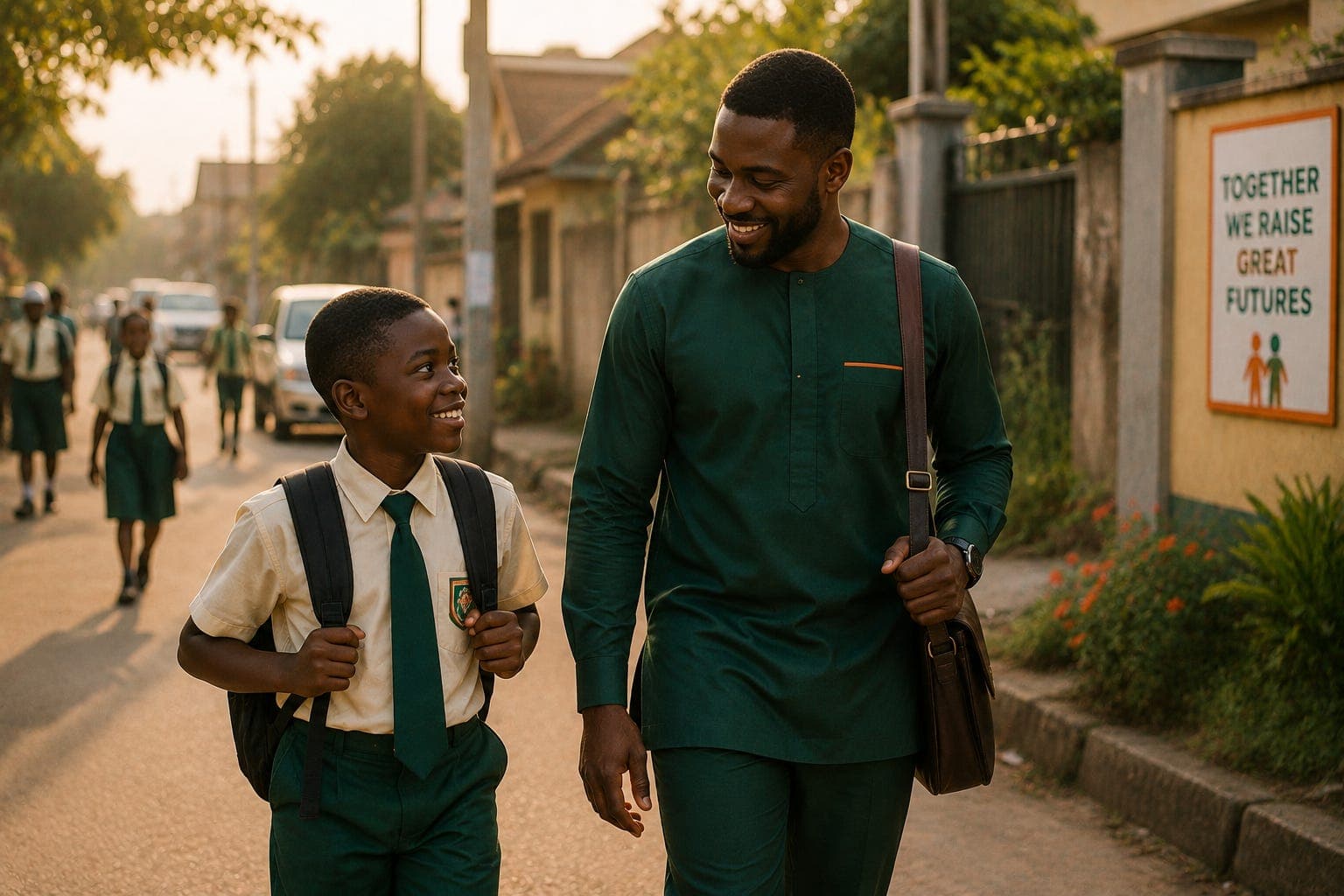
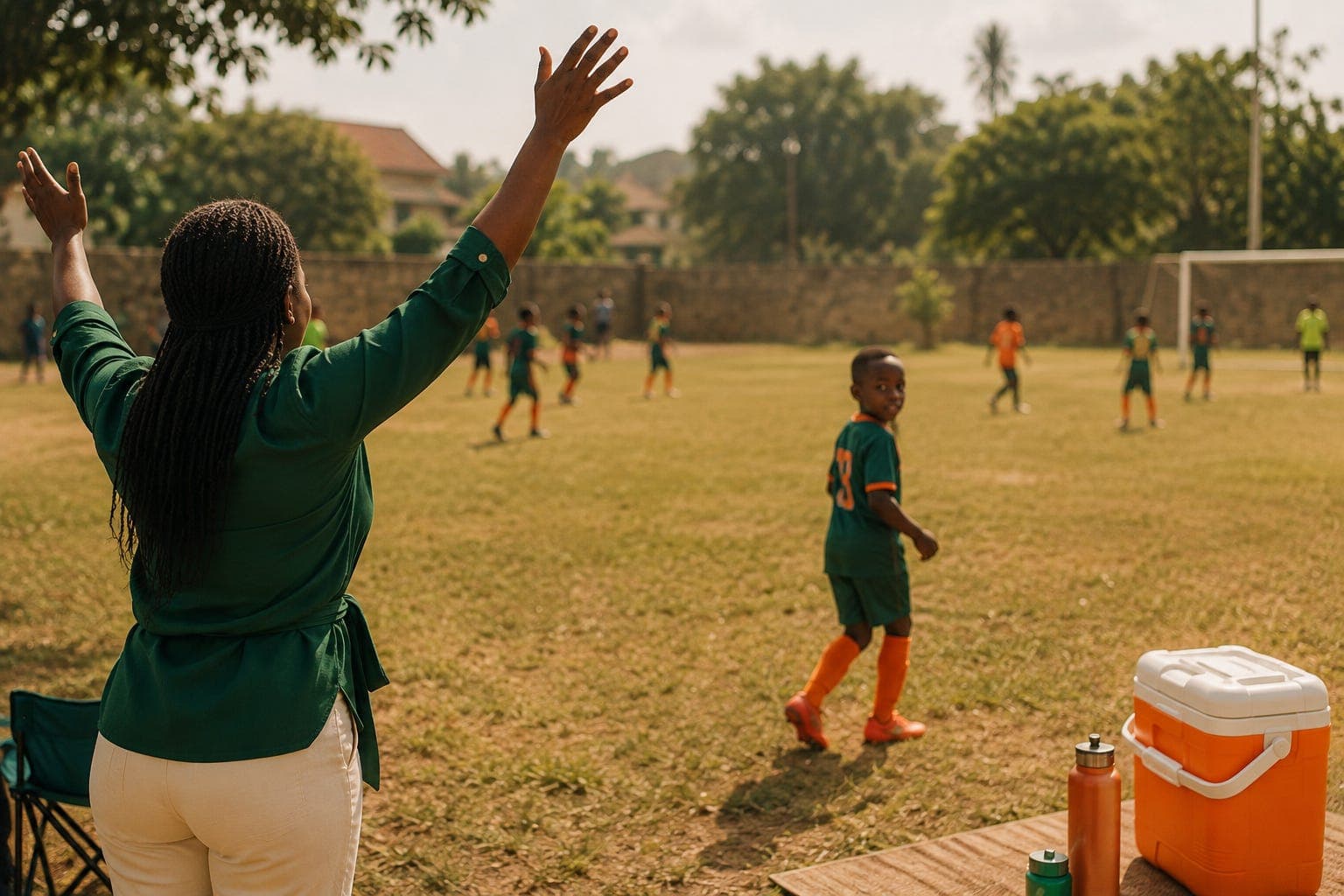
They watch her skip meals so they can eat. They feel the tension when the landlord knocks. Some boys try to become the “man of the house” at twelve or thirteen, taking odd jobs after school and going quiet about the things they need: new shoes, extra notebooks, the fee for a school trip. Daughters are often the first to drop out, not because they’re valued less, but because a family with no money is forced into impossible calculations.
No one should have to make these choices. Widowed families make them every day.
What actually helps
A sympathy card that says “praying for you” doesn’t change the math. Neither does one bag of rice that lasts two weeks, or advice to trust God with no practical support behind it. Even well-meant donations can trap a family in dependency instead of pulling it out.
What changes things is less dramatic and more lasting: skills that generate income, capital to start a small business, the financial literacy to manage and grow it, mentorship from someone who’s walked the same road, and a community that doesn’t disappear when things get hard. Charity feeds a family for a day. The point is to give a widow what she needs to feed her family for years.
The widows rewriting the story
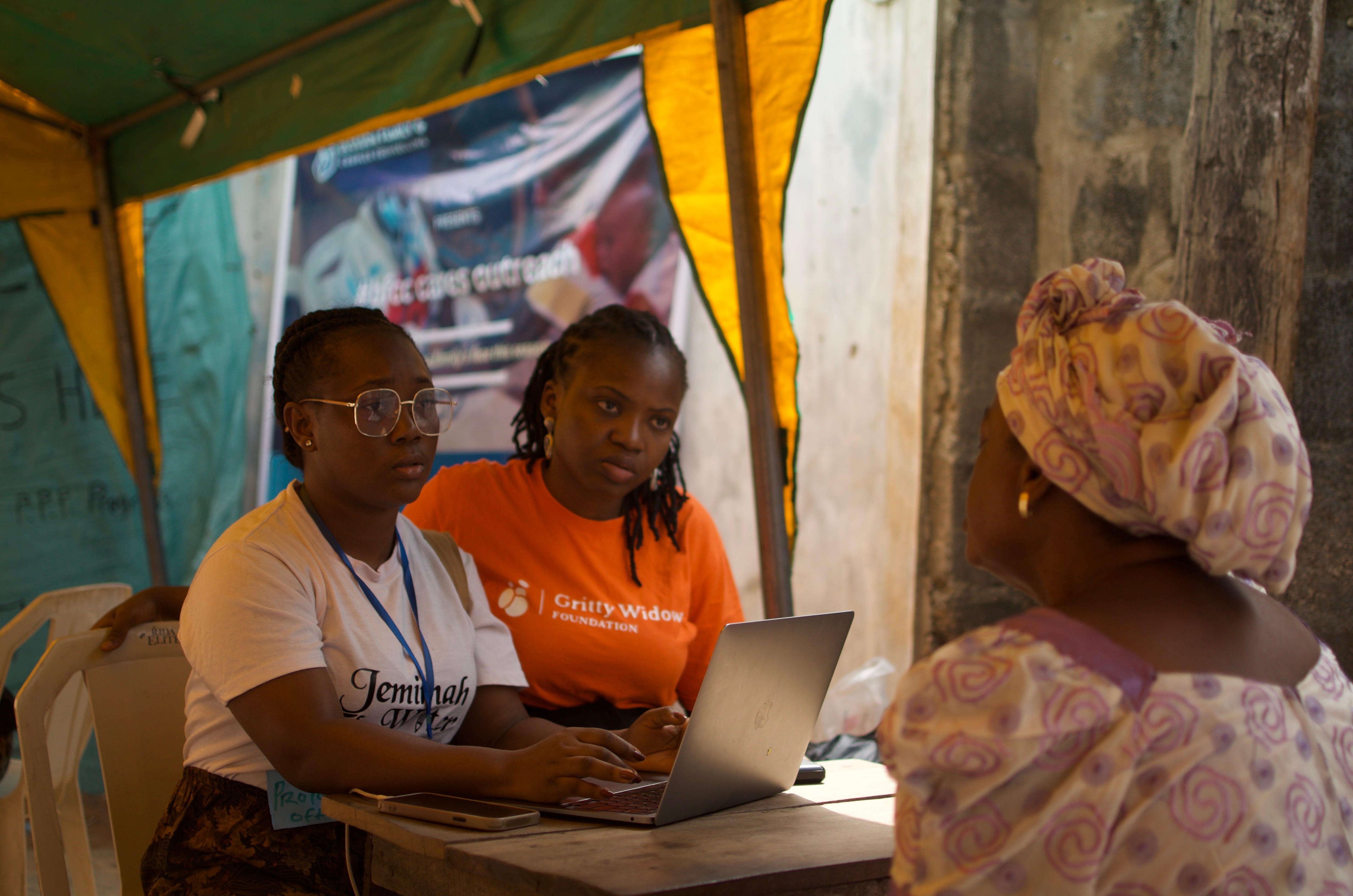
At Gritty Widows Foundation, we work with widows who refuse to let loss define them.
We’re building intensive business training, not “here’s a sewing machine, good luck,” but proper support: vocational skills, startup capital, financial management, ongoing mentorship, and a community of women building futures alongside each other. Through BackToSchool, we connect children from widowed families with sponsors who believe losing a father shouldn’t mean losing an education. Through HealthAccessDrive, we work with healthcare providers so a widow never has to choose between medicine and food.
I’ll be honest about where we stand. These programmes are designed and ready, but not yet running. We’re still fundraising, still learning. The need is urgent and the women are ready. What we need now are partners to help make it real.
Beyond the funeral
The funeral gets attention because it’s visible. It has a beginning and an end.
Widowhood doesn’t. It’s the start of a long stretch that most people never see and fewer people support. What happens after the funeral is what decides whether a family holds together or comes apart, whether the children stay in school, whether a mother finds her footing or loses herself. And right now, too many widowed families are facing that stretch alone.
That has to change.
What You Can Do
If you’re a widow: you’re not alone. What you’re facing is real and heavy, but you don’t have to carry it by yourself. → Get Support
If you can give: every ₦5,000 matters. You can sponsor a child and give one education a fighting chance. → Donate
If you can teach or mentor, or want to partner with us → Volunteer / Partner
If this moved you, share it with someone who should understand what widows actually face. → Share Gritty’s Substack
The funeral is one day. What comes after matters just as much. Let’s make sure widows don’t face it alone.
Share Your Story
Have you witnessed what happens after the funeral? Do you know a widow who needs support?
Please leave a comment below or contact us directly. Every story shared helps break the silence.
Help us support widows and fatherless children in Nigeria.