Two Different Silences
A short story because some griefs don't make a sound.
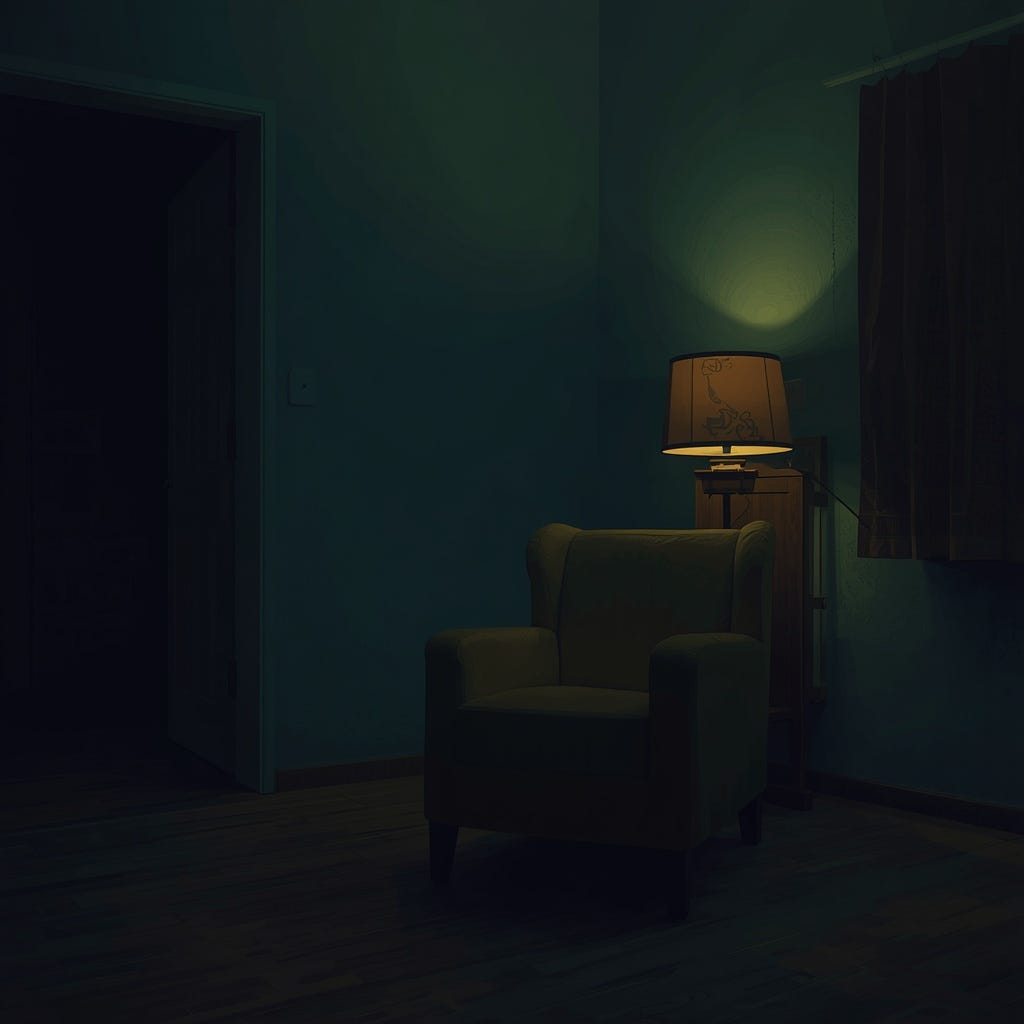
It was a cold and silent night, not because it rained, but because the heaviness in my heart and in the room was too much to hold. The silence was so loud. I cried. Oh, I cried till I could no longer feel my eyeballs.
But one tap. One tap changed it all. One tap that took away the boy that I was, before I was ready to let him go.
It has been exactly one week since bàami kicked the bucket. His life was cut short by the unwanted August visitor, and as it should be, relatives, friends and well-wishers (I guess) came with their condolences.
Bàami was so full of life. He had a large heart, one that could accommodate even the greatest offender. He was the glue that held everyone together, a role model I was glad to have and dreamed of becoming. Well, now it was time to stop dreaming and face reality.
Was. Had. Tenses I never imagined permanently using to talk about bàami. At least, not now.
Ah! Death, you do this one o, I said in my mind, as I tried to console my heartbroken mother and my sister, Kehinde, while shedding my own hot premium tears.
“Taiye,” Uncle Femi called, tapping me on the back. “You need to be the man now, eh. Man up.” He kept talking, and I kept soaking it in. “If you keep weeping like this, then what will your mother and sister do?”
That was the moment everything changed. I wiped off the tears, stood up, and went in to wash my face.
I didn’t just stop crying. I locked up every feeling. Of course, I had to “be a man.” And what I learned was that being a man meant keeping every emotion at arm’s length.
So I thought.
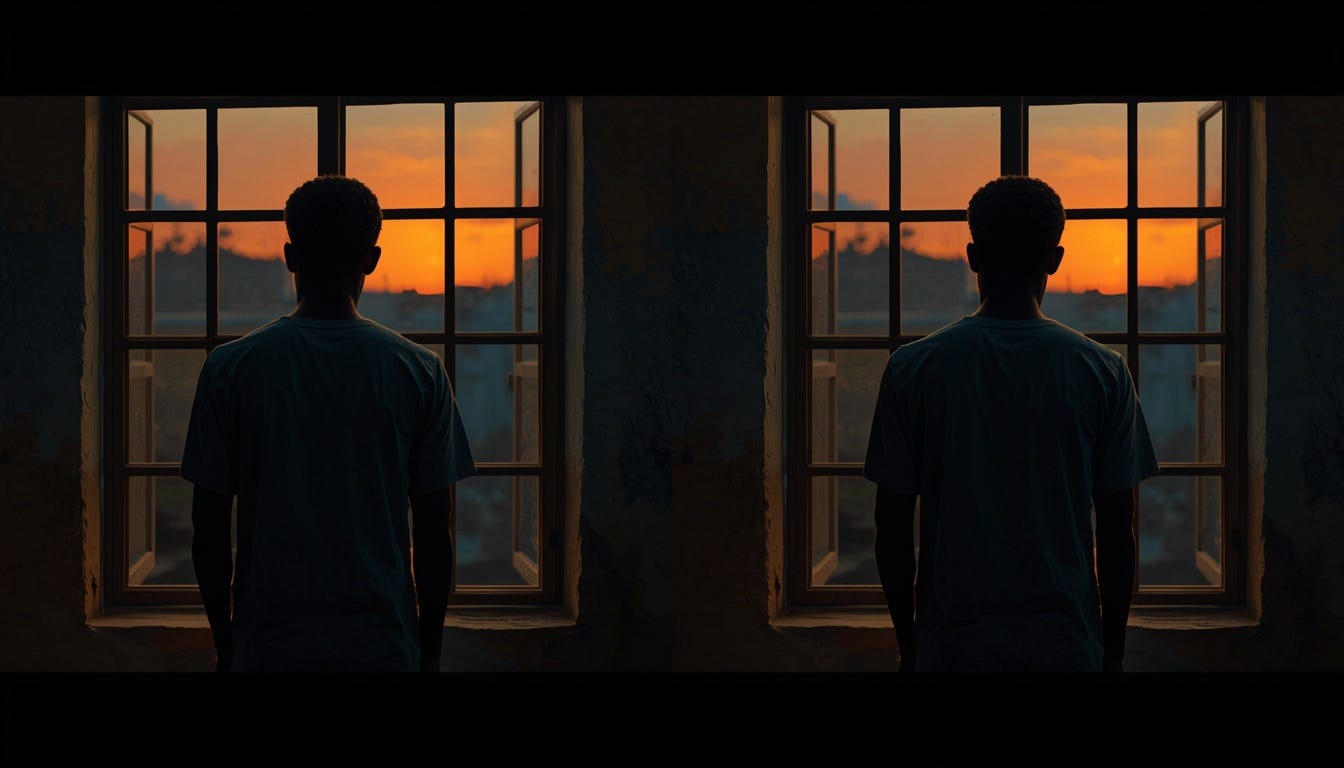
“Brother Taiye, let me help you!” Kehinde exclaimed, rushing in to save the bulb I’d just removed while trying to change it.
“No! I can handle it myself!” I replied with so much defence, dragging the bulb from her.
“Brother Taiye, calm down na. I just wanted to ask if I can wear this dress to Abigail’s hangout.”
“Hangout? Again? You’re always going out, looking for what is not missing.”
The bulb slipped from my hand, and this time there was no saving it. Kehinde was too frozen to lift a finger. I still wonder what I must have said. Or didn’t say.
Getting down from the stool, I looked at her face, and all I could see was a pool of tears welling up in her eyes. Right as the whole thing was about to gush out, she ran off, pushing past me. She stepped on the broken bulb as she went.
I felt that crack.
I stood there, lost. Did I say something wrong? What was Kehinde expecting to hear? I could barely process my own feelings, I’d somehow forgotten how to feel. I didn’t know what I’d done. Or was she just being a girl? A girl in search of something that even I couldn’t give.
Kehinde
The same evening. The same house. The other silence.
I threw myself on the bed, an ocean gushing from my eyes. The demise of bàami, my ever-present, helpful, supportive father. My cheerleader.
Still with us?
Get the next story like this one straight to your inbox.
“My princess, my jewel. Torera, sufficient to be delighted in,” bàami would say, singing my oríkì into my eardrums.
Bàami’s cheering always made my head swell. He always knew the right words to lift my spirit, especially when my Mathematics assignment was dealing with me.
His demise is one I can never heal from. This pain cut too deep.
Death 100. Kehinde 0.

My phone rang, cutting into my wailing. Abigail was calling, but I was too soaked in my pain to answer.
To console myself, I picked up my journal, the one where I'd started writing daily to bàami, and I wrote.
I wrote, telling my father how I didn’t really want to go to the party, but all the cool kids were going, so I had to be there.
I wrote, telling bàami how Mrs Dada had spoken to me about my low scores from the week before.
I wrote about how much Taiye had changed these past months. Like he was growing up so fast, not physically, but... I don’t know.
I wrote about how much I yearned for a reply that would never come. Because yes, yes, I was looking for something.
Something that would always be missing.
Two children. One father. One loss. And two completely different silences.
Taiye went quiet to survive. The world told him a man carries his grief alone, so he buried his, and buried his sister’s need for him along with it. Kehinde grew loud in her search and then quiet in her loneliness, reaching for a voice that used to call her jewel and finding only the echo.
Neither of them was misbehaving. Both of them were grieving. And in homes across Lagos tonight, there are Taiyes locking the door on their own hearts, and Kehindes knocking on doors that can no longer open.

This is why we do what we do.
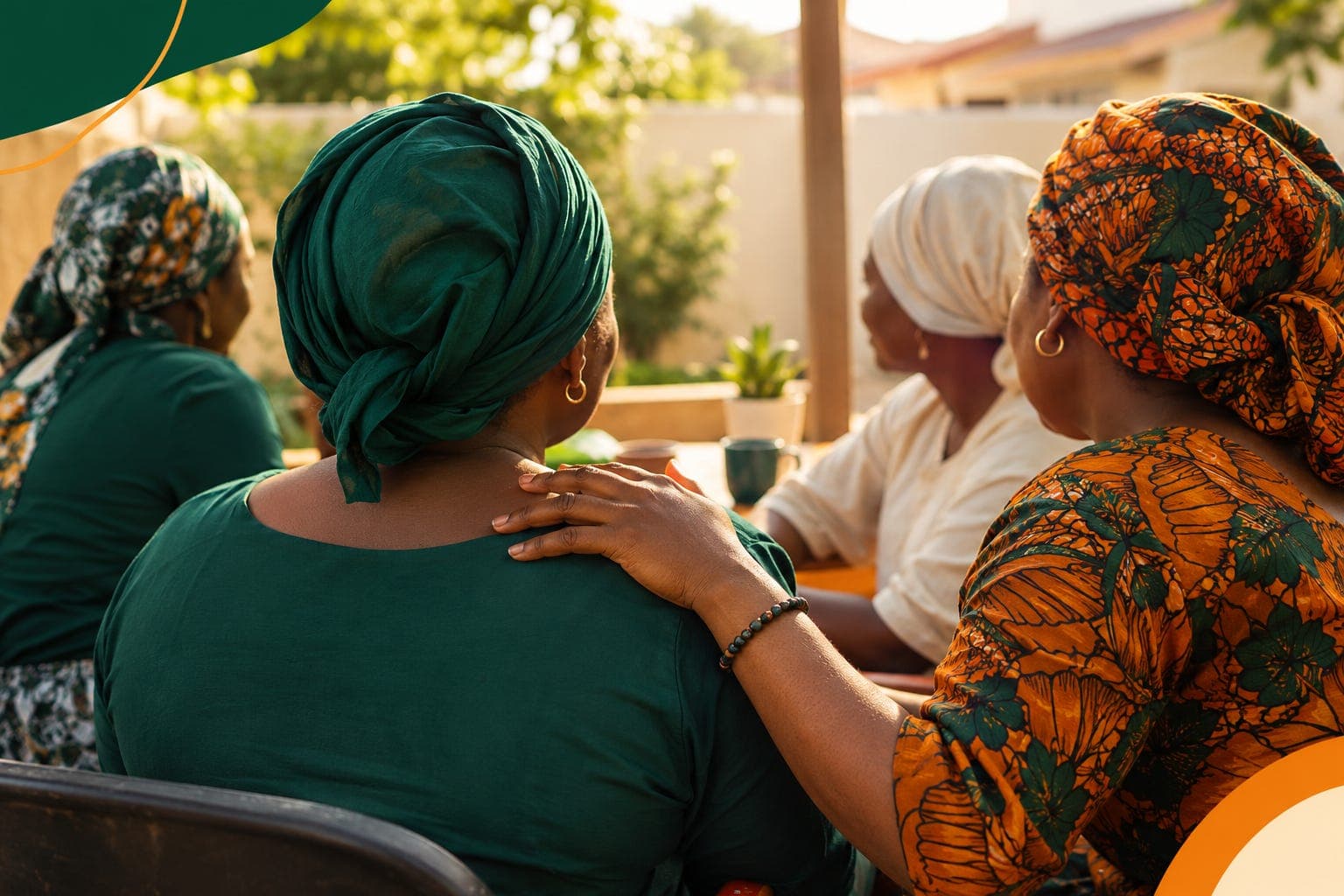
When a widow is supported, held, empowered, given room to breathe, she can come home and see her children again. She can catch the boy going quiet. She can answer the girl still knocking.
No child should have to grieve in a silence no one notices.
If this story moved you, sit with it. Share it with someone who needs to read it. And next time we'll show you exactly how you can help a widowed family turn a silent house into a supported one.
Stories like this happen because people choose to give.
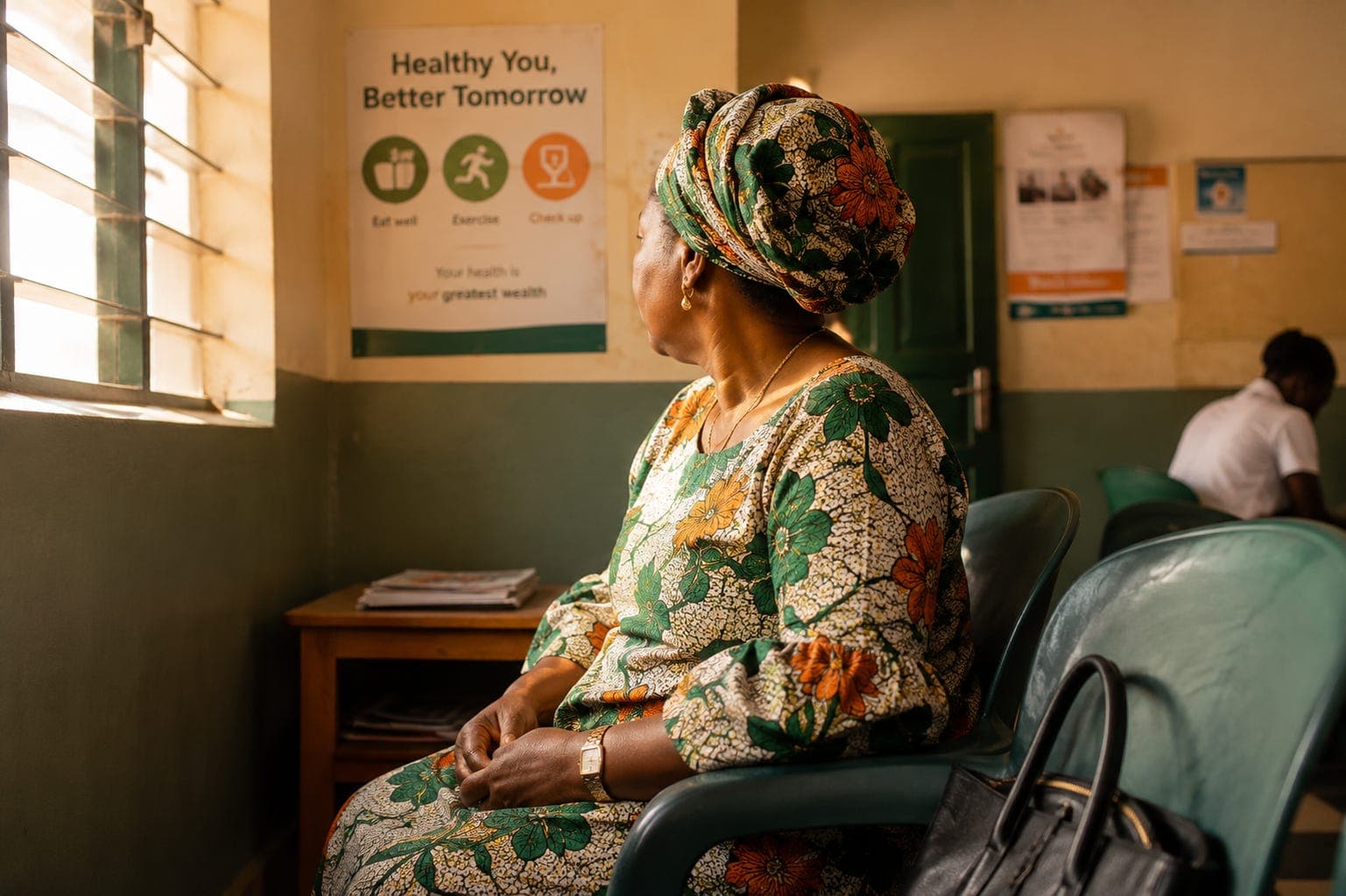
The Day She Chose the Clinic
What it costs a widow to finally put herself first
Read next →