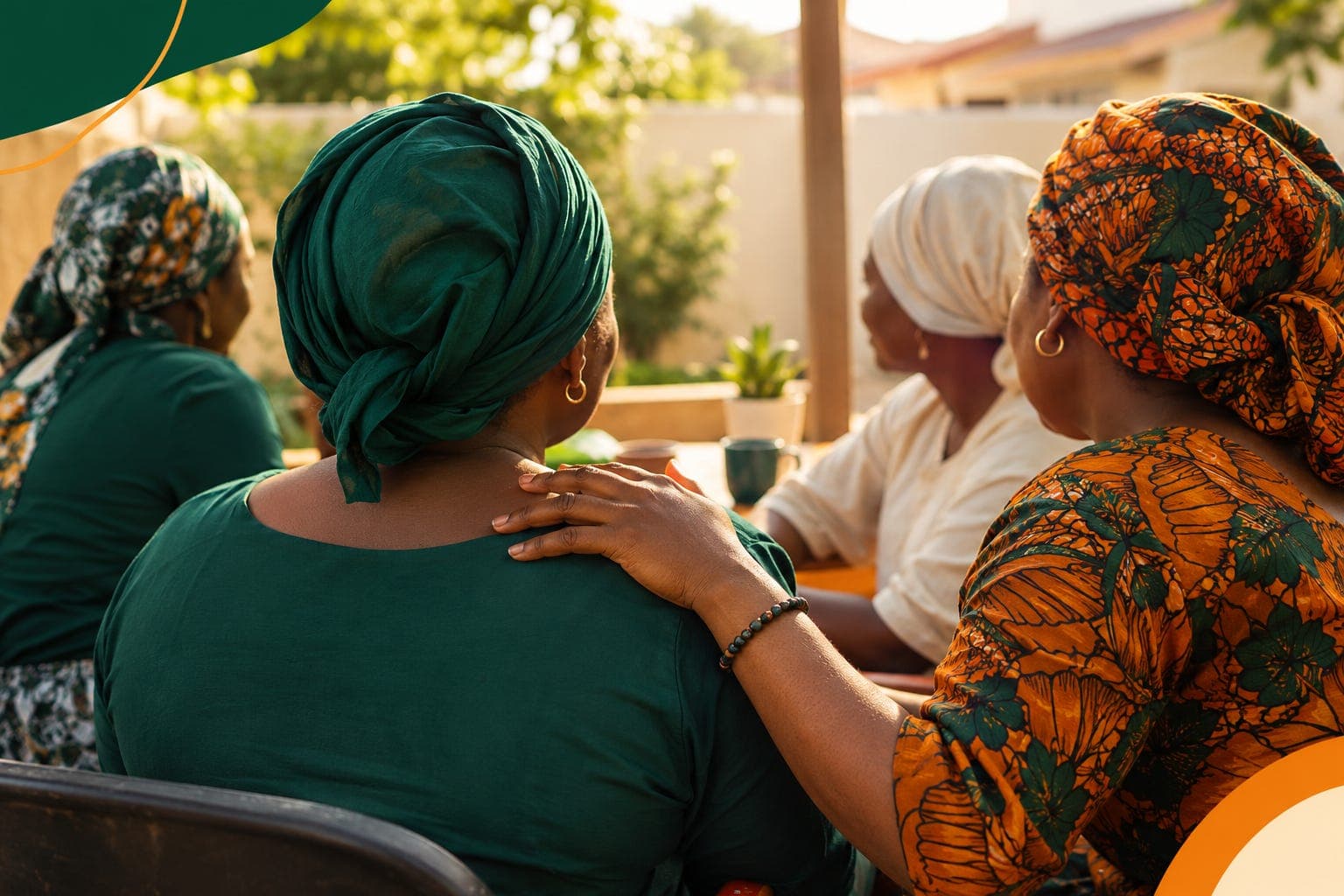
The Widow and Her Mental Health
The silent burden no one sees behind the smile

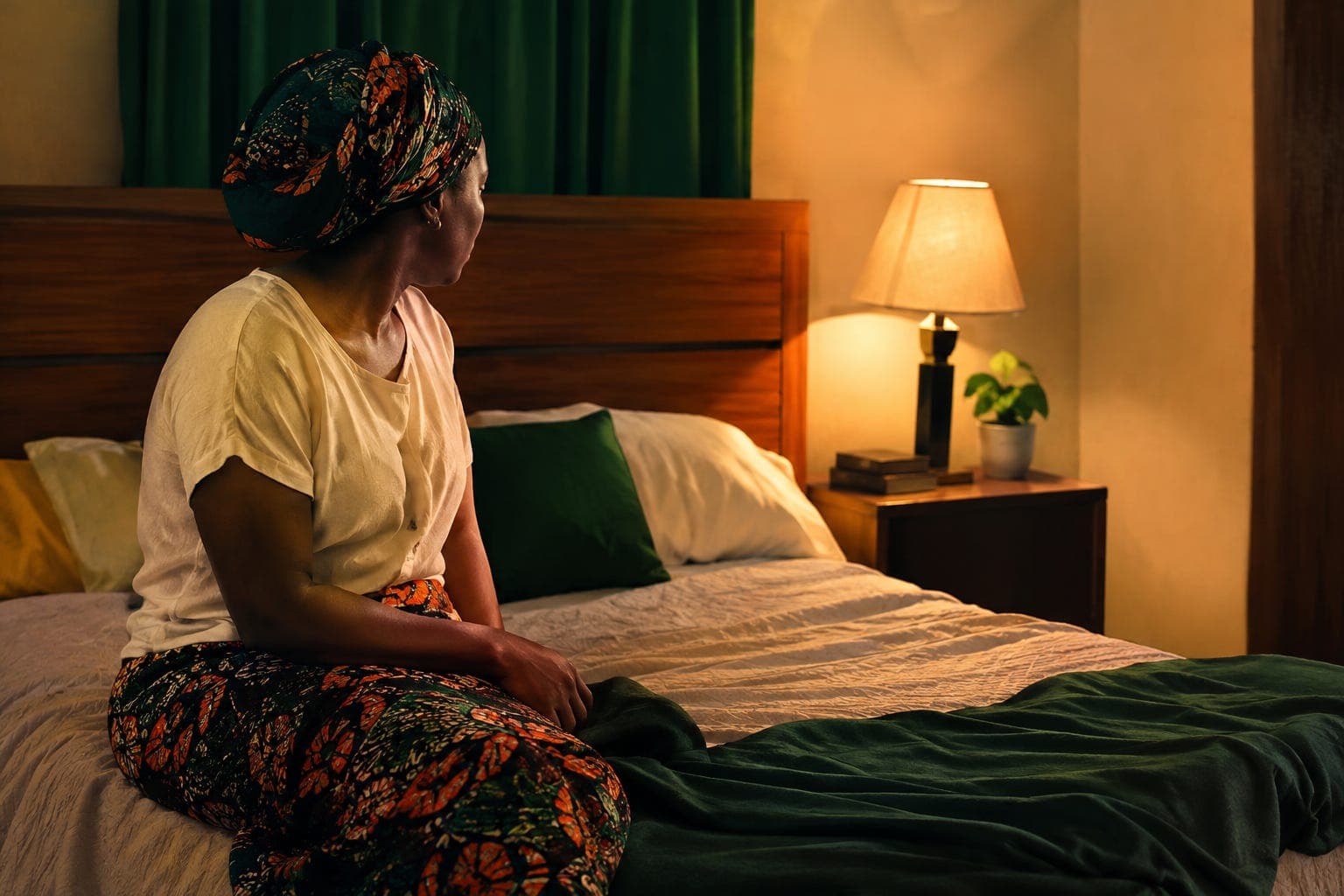
The house was unusually quiet.
For the first time in twenty-two years, Ezinne woke to only one cup on the kitchen counter. No familiar voice asking about breakfast. No footsteps down the hallway. No one to share the ordinary moments that had once made a house feel like home.
Friends visited in the first few weeks. My family called often. But as time passed, life returned to normal for everyone else. For Ezinne, it had changed forever.
What no one could see was that behind her smile was a woman quietly battling exhaustion, anxiety, loneliness, and a grief heavy enough to weigh on her mind as much as her heart. This is the reality for many widows.
Widowhood is more than losing a spouse
When people think about widowhood, they usually think about grief, and grief is certainly part of it. But widowhood also brings changes that reach deep into a woman’s mental health and her sense of who she is.
A widow isn’t only mourning a partner. She may also be grieving the loss of financial security, of daily companionship, of shared responsibility, of the future she had planned, and sometimes of her own identity. When all of that arrives at once, it can be overwhelming.
Still with us?
Get the next story like this one straight to your inbox.
What many widows carry
Every widow’s experience is her own, but many pass through the same hard places.
Grief that doesn’t leave when the funeral ends. It can linger for months or years, surfacing without warning through a memory, an anniversary, or an ordinary Tuesday, and touching sleep, concentration, and peace along the way.
Anxiety about what comes next. The mind fills with questions. How will I provide for my children? Will I make rent? What happens if I fall sick? Those uncertainties settle in as a constant, quiet pressure.
Depression, for some. Sadness can deepen into something heavier: a loss of interest in things once loved, a withdrawal from people, a struggle to get out of bed at all. Depression isn’t weakness. It’s a real condition that deserves care and compassion, not judgement.
Loneliness, which is one of the least talked-about parts of widowhood. Even in a full room, a widow can feel completely alone, because the one person she shared her deepest conversations with is no longer there. That loneliness grows loudest during holidays, celebrations, and quiet evenings at home.
And mental exhaustion. Overnight, many widows become the only decision-maker in the home, managing money, raising children, handling paperwork, holding everything together, all while grieving. It’s a load that leads, again and again, to burnout.
When grief shows up in daily life
Sometimes the struggle shows up in the body and the everyday: trouble sleeping or sleeping too much, constant fatigue, forgetfulness, difficulty concentrating, a lost appetite or eating for comfort, stress headaches, pulling away from people, feeling swamped by the simplest tasks.
These aren’t signs that a woman is failing to cope. They’re signs that grief is doing what grief does, working on the body as much as the mind.
Why this support matters
Too many widows suffer in silence. Some fear judgement. Some believe they have to appear strong for their children. And in many communities, mental health still carries a stigma that makes asking for help even harder.
But emotional support isn’t a luxury. It’s part of healing. Someone to listen without judgement, access to counselling when it’s needed, friendships and faith communities and spaces where a widow can be understood by others who’ve been through it, these things genuinely change how a woman comes through this.
How families and communities can help
Supporting a widow goes well beyond condolences. It means checking in regularly, even months after the loss. Offering practical help with daily responsibilities. Listening without trying to fix her grief. Gently encouraging her to seek professional support when the weight becomes too much. Inviting her into the community rather than letting isolation grow. And being patient with a healing process that has no deadline.
Sometimes the most healing words are the simplest: “I’m here. You don’t have to go through this alone.”
This is our work at Gritty Widows Foundation
At Gritty Widows Foundation, we believe supporting a widow means caring for the whole person, not only her financial needs but the emotional weight she carries too. Through community, empowerment, advocacy, and safe spaces where widows can connect with others who truly understand, we remind every woman that her story doesn’t end with loss.
Healing takes time. Some days are harder than others. But with compassion, community, and the right support, it’s possible. No widow should carry this alone.
So the next time you meet a widow, remember she may not need perfect advice, or for you to explain her pain. She may simply need someone willing to stay, to listen, and to remind her she isn’t alone in this. Because when we care for a widow’s mental health, we aren’t helping one woman only. We’re helping a whole family heal.No widow should carry this burden alone.
So the next time you meet a widow, remember: she may not need perfect advice. She may not need you to explain her pain. She may simply need someone willing to stay, to listen, and to remind her she does not have to walk this road alone.
Because when we care for a widow’s mental health, we are not helping one woman only. We are helping a family heal, strengthening a community, and giving hope the room to grow.
If you or a widow you know is struggling emotionally, please don’t carry it alone. Reach out to a trusted doctor, counsellor, or someone you trust. Support is a sign of strength, not weakness.
This is a sensitive subject. If it raises something painful for you personally, please consider reaching out to a qualified mental health professional or a trusted person in your life.
Want to be part of this work? At Gritty Widows Foundation, we walk alongside widowed families with empowerment, advocacy, healthcare access, and community. Support our work → | Volunteer with us →
With you in it,
Grace
Gritty Widows Foundation
If you're grieving, you don't have to carry it alone.
There Is No Right Way to Grieve
Why grief has no timeline, no formula, and no single face
Read next →