The Sound I’ll Never Forget:
Why I Started Gritty Widows Foundation
I was fourteen years old when I learned that life could change in a single breath.
This is the story of that moment, and the work it started.
It was a Wednesday evening, June 15, 2011. I had just gotten home from boarding school for midterm break, tired from the journey and glad to be home.
My uncle’s wife sat me down. She had an expression I still can’t forget, something between compassion and dread about what she had to say.
Then the words: my father had died two weeks earlier, on May 30. They had waited until I was home from school to tell me.
I broke down. Not the quiet, contained crying you’re supposed to do. The kind that comes from somewhere deep and won’t stop, where you can’t catch your breath and you don’t care who’s watching.
Everything changed in that moment. Not only because my father was gone, but because I understood, in a way I’d been too young to grasp before, what it meant for my mother. She had been carrying this alone for two weeks while I was away, oblivious. And now she would carry the weight of raising three daughters by herself.
She had become a widow. She never asked for the role, and there was no handing it back.
When Your World Splits in Two
My mother was a nurse at a state hospital. She had dreams of advancing, of maybe running her own clinic one day. She used to talk about it, the kind of care she wanted to give, the difference she wanted to make.
After my father died, those dreams got packed away like clothes you know you’ll never wear again.
She became a soldier of survival. She learned to stretch one meal into three. She learned to shrug off the quiet judgment of relatives who wondered whether she could “manage alone” with three girls. She learned to be soft and firm at once, holding us when we cried and then wiping her own tears in the dark, where we couldn’t see.
She earned ₦120,000 a month at the hospital. Our school fees alone were ₦200,000 a term. Her whole month’s salary couldn’t cover one term of fees, never mind rent, food, transport, and medical bills.
And state hospital salaries in Nigeria are irregular. Sometimes the payment comes. Sometimes it’s late by months, and you wait, because what else can you do?
She woke at 5 a.m. to make our breakfast before her shift. She spent the day helping to save other people’s lives. Then she came home and tried to perform miracles with money that was never going to be enough. The math didn’t work. She made it work anyway, because there was no alternative.
The Sound That Changed Everything
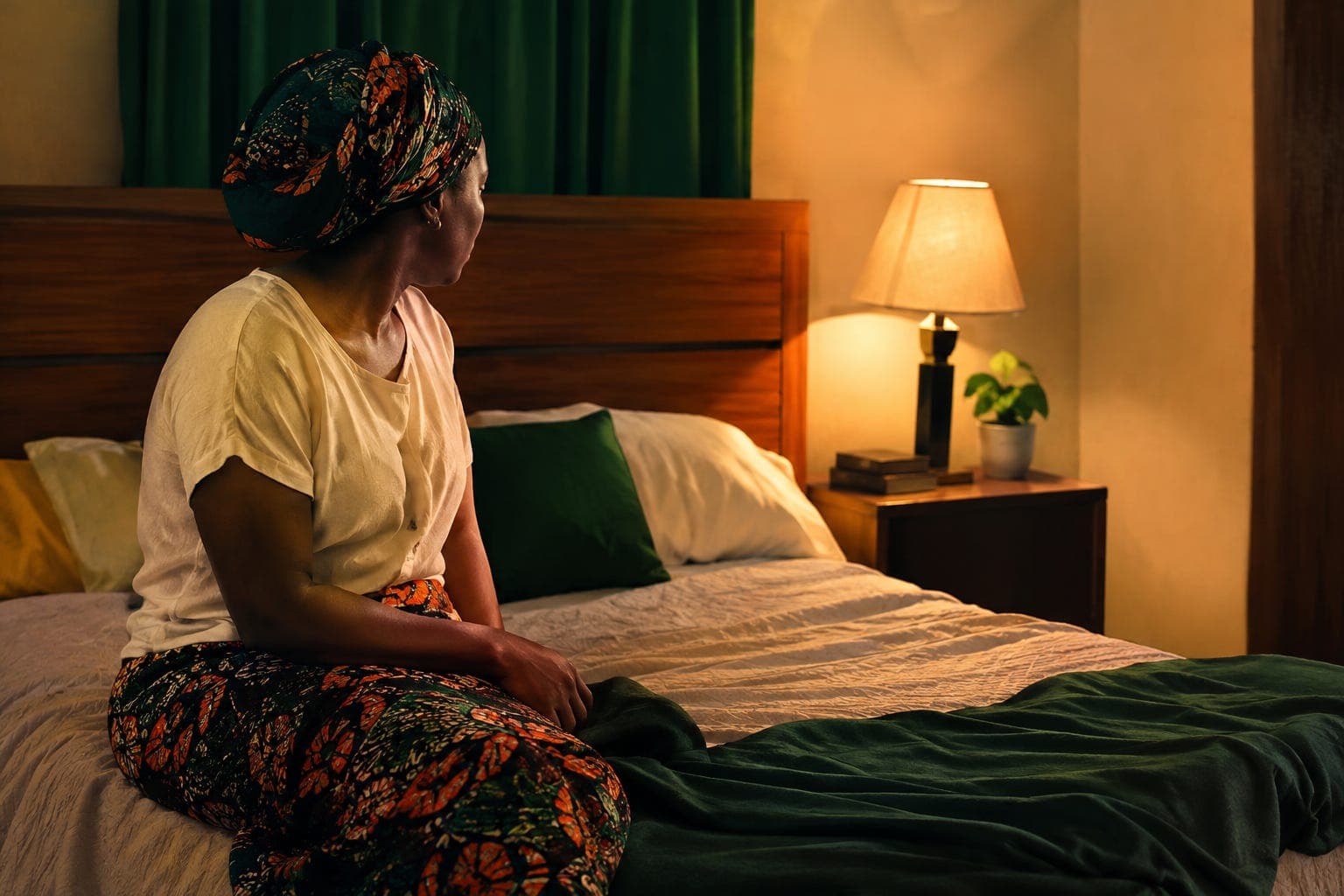
Every night, after she thought we were asleep, I would hear it. Not loud or dramatic. Just quiet tears in the dark. The kind that breaks your heart because you know the person is holding themselves together for everyone else.
I would lie awake listening to her, feeling useless, like watching someone drown when you can’t swim yourself.
Widowhood isn’t only losing a husband. It’s losing a partner, a shared future, someone to carry the ordinary daily grind with you. It’s standing in front of the bills and the children and the grief all at once and realising no one is coming to save you.
The Uncle Who Became Our Lifeline
My uncle stepped in. No one made him. He saw a widow and three girls about to slip through the cracks and decided that wasn’t going to happen on his watch.
He helped with school fees. He checked in, not with pity but with practical support. He made sure we didn’t just scrape by, that we had a real chance.
Because of him, all three of us finished school. My mother never had to pull us out to work as housemaids. We had hope.
But even then, as a teenager watching my mother fight every single day, I kept thinking: what about the widows who don’t have an uncle? What about the mothers with no one in their corner?
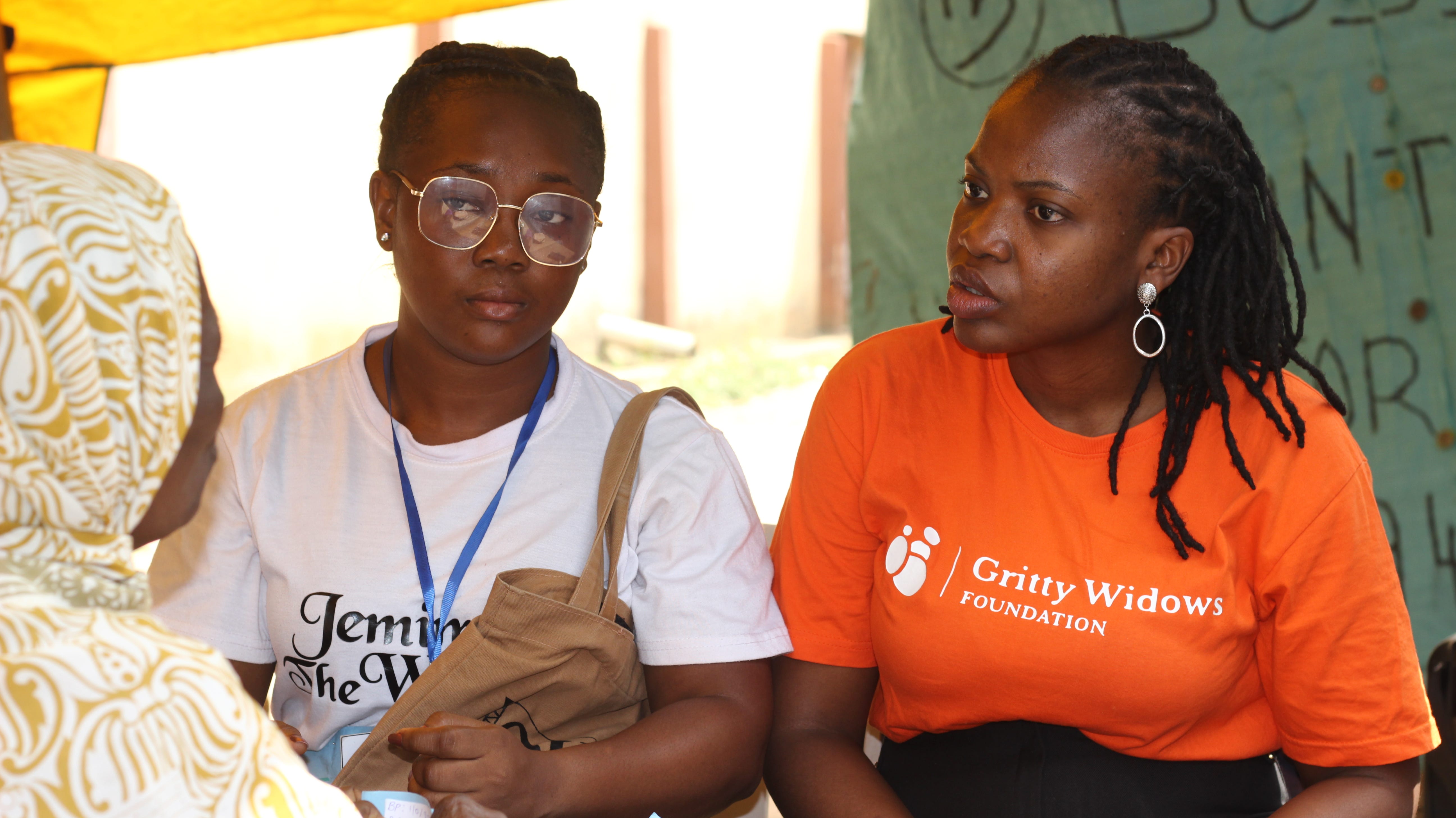
That question lodged in my chest and never left.
The Weight No One Sees
The same year I lost my father, my friend Tochi lost hers. We became a two-person grief club. While other kids talked about weekend plans, Tochi and I traded stories about watching our mothers turn into widows overnight, carrying weights too heavy for one person.
Tochi’s mother was a teacher with five children. A teacher’s salary in Nigeria was never built for one parent raising five kids alone. I didn’t live in their house, but through Tochi I understood the shape of it. The constant calculations. The impossible choices. The way a widow has to become a magician, stretching ₦50,000 across ₦200,000 of need.
Her family is doing well now. But I remember the years when “doing well” meant “we survived another month.”
Here is the part that still gets me: my story isn’t rare. Tochi’s isn’t either.
Across villages, towns, and cities, widows carry weights no one sees. They bury their husbands and then bury their own needs. They lose property. They’re silenced by custom. They’re called too weak if they cry and too proud if they rise. Many wake up not knowing whether they can feed their children that day.
And still they hold on. They smile for their children while their own hearts are breaking. They become mother and father in one body. In Nigeria, this is the reality for millions of women, and most of them carry it in silence.
When Empathy Isn’t Enough
For years I thought about widows and felt bad for them. I was “aware.” And what did the awareness accomplish? Nothing.
Empathy without action is just guilt wearing good intentions.
In 2021 I went to a camp programme at my church. Something shifted over those days. Nothing dramatic, no lightning bolt. Just a nudge that wouldn’t quit, a growing sense that I needed to actually do something.
I kept thinking about my mother. About Tochi’s mother. About the widows I’d met over the years who were quietly going under while everyone looked away.
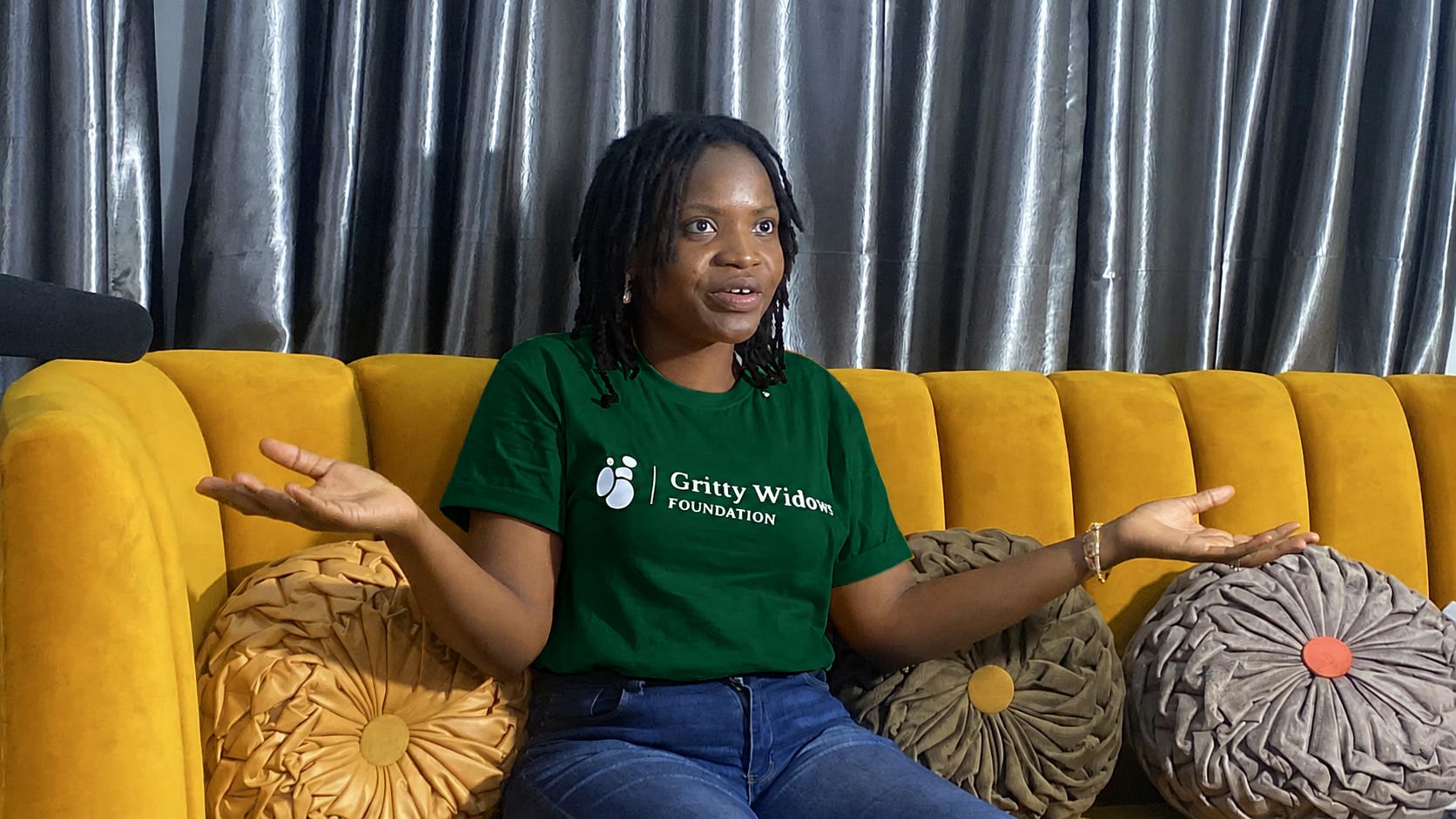
The nudge didn’t stop. So in August 2022, I finally listened, and started the Gritty Widows Foundation.
The early days were uncertain. No grand strategy, no funding. Just a conviction that something had to change and a willingness to start small and learn.
Why “Gritty”
When I was trying to name this, everyone had a suggestion.
“Hope for Widows” felt too vague. “Helping Hands” felt too much like charity. “New Beginnings” was a cliché. None of them fit, because they all made widows sound like victims waiting to be rescued.
Then I thought about my mother. About Tochi’s mother. About the woman selling pure water in the heat.
These women aren’t waiting to be rescued. They’re fighting every day, managing hostile in-laws, cultural stigma, poverty, and grief, all while keeping their children fed and hopeful. That isn’t a weakness. It’s a strength most people never have to find.
That’s grit.
They don’t need pity. They need partners. They need capital, skills, and someone who believes they can build something out of the rubble.
That’s what we’re here for.
The Honest Truth: We’re Still Learning
In 2022 and 2023 we did relief work. Bags of rice, clothes, school supplies, help with medical bills where we could. It felt good, and people were grateful.
But I kept thinking: this is a plaster on a deep wound. The widow who gets a bag of rice today, what happens next month when the rice is finished and she still has no income?
In 2024 we did something we should have done from the start. Instead of assuming we knew, we asked widows what they actually needed.
The answer was the same across the board:
Stop giving us fish. Teach us to run the fishing business.
They didn’t want handouts. They wanted skills, income, and dignity. They were saying, in effect: respect us enough to invest in us, not just donate to us.
That changed how I think about all of this.
Where we’re headed
This is our serious year. We’ve designed three programmes meant to help widows not just survive, but build something lasting.
EmpowerAWidow: Full business training, startup capital, months of mentorship, savings accounts, and financial literacy for a small number of women. We’re going deep instead of wide, because a few women properly equipped will always beat many women briefly helped.
BackToSchool: Connecting specific donors with specific children who need school fees. You’ll know the child you’re supporting by name, and you’ll follow their progress, because no child should lose their future over fees a widowed mother can’t raise alone.
HealthAccessDrive: Working with hospitals and HMOs so widows can get care without choosing between medicine and food. A widow with untreated hypertension can’t work, can’t build, can’t plan.
I want to be honest about where these stand. They’re designed and ready. What they need now is funding, and that’s the work in front of us this year. When I picture the woman who goes through EmpowerAWidow, trains in a trade, opens a small shop within a year, and a year after that is teaching two other widows, that’s the thing I’m working toward. Not one person helped, but help that multiplies.
We need partners to get there.
What I believe now
Supporting widows isn’t charity. It’s justice. It’s restoring some balance to lives that were thrown into chaos, and making sure a woman who gives everything to her children doesn’t have to do it with empty hands.
When you support a widow, you’re not saving her. She’s already doing the saving. You’re handing her the tools she’s been asking for.
What happens next
If you do nothing, another widow goes to bed tonight wondering how she’ll feed her children tomorrow. If you act, you become part of her story instead. You become the reason a child stays in school.
If you’re a widow who needs support, reach out. We exist because of women like you. → Get Support
If you can give: ₦5,000 changes someone’s week. ₦50,000 changes their month. ₦500,000 can change their life. → Donate
If you have a skill — business, tailoring, law, anything — teach what you know. → Volunteer
If you care, share this. Amplify these women. Question the systems that keep failing them. → Share Gritty’s Substack
Every widow’s story starts with loss. Mine started with the sound of my mother crying in the dark. But with the right support, that isn’t where these stories have to end.
Because every widow has a story, and together, we can ensure their story is not defined by loss, but by hope, resilience, and a community that cares enough to act.
That’s what we’re building at Gritty Widows Foundation.
Join us. Partner with us. Invest in the futures these women are already fighting for.
Esther
Founder & Current Chairman,
Gritty Widows Foundation
P.S. Applications for our 2025 #AnnualEmpowerAWidow program open in October 2025. Five women. Five transformed lives. Five families given their futures back. Be the reason one of them succeeds.
Start a Conversation
What surprised you most about this story? What questions do you have about widow empowerment in Nigeria?
Comment below or hit reply — I read every message.
Help us support widows and fatherless children in Nigeria.