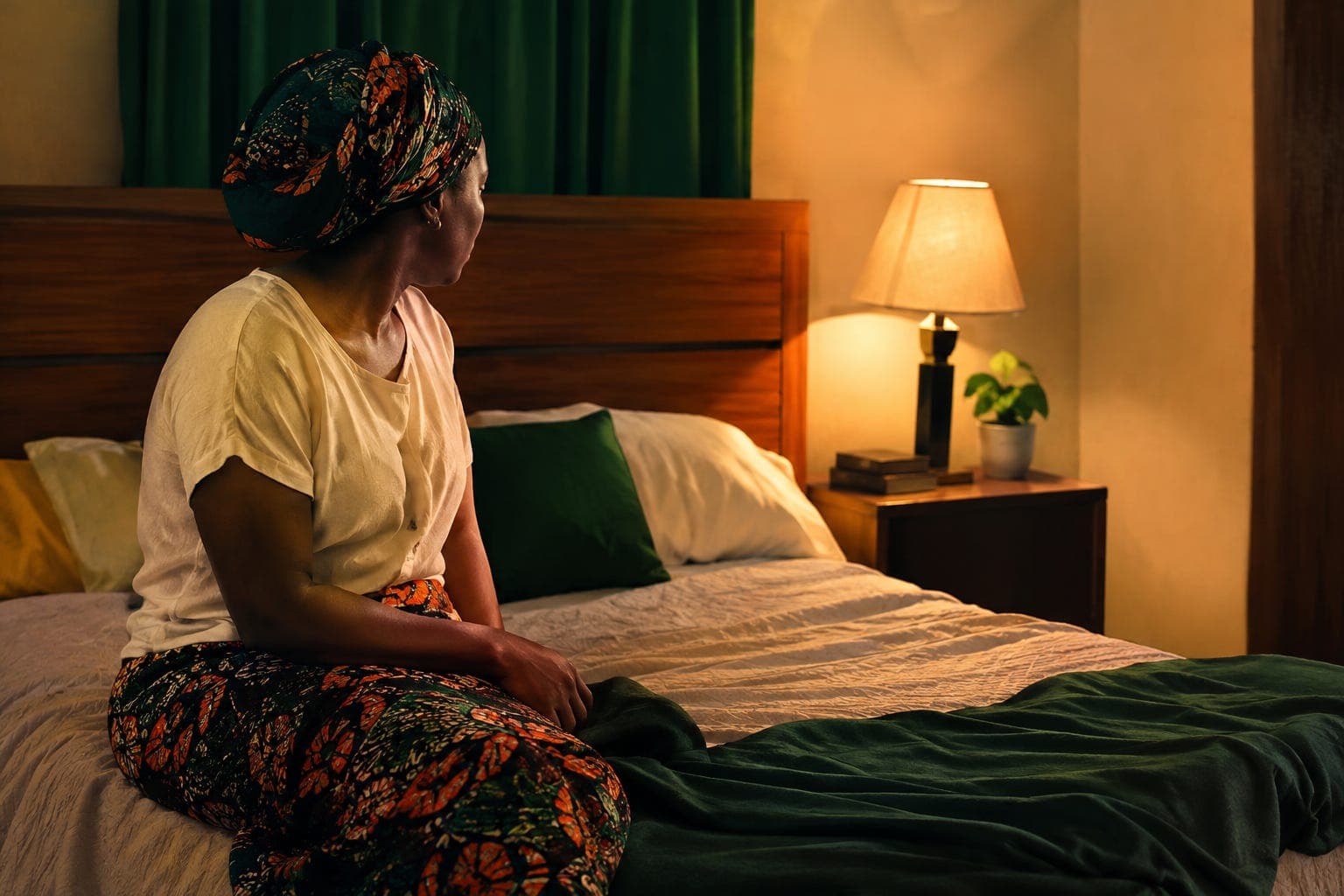
The Hidden Costs: Why Widowhood in Nigeria is an Economic Crisis
Real numbers, real families, real consequences
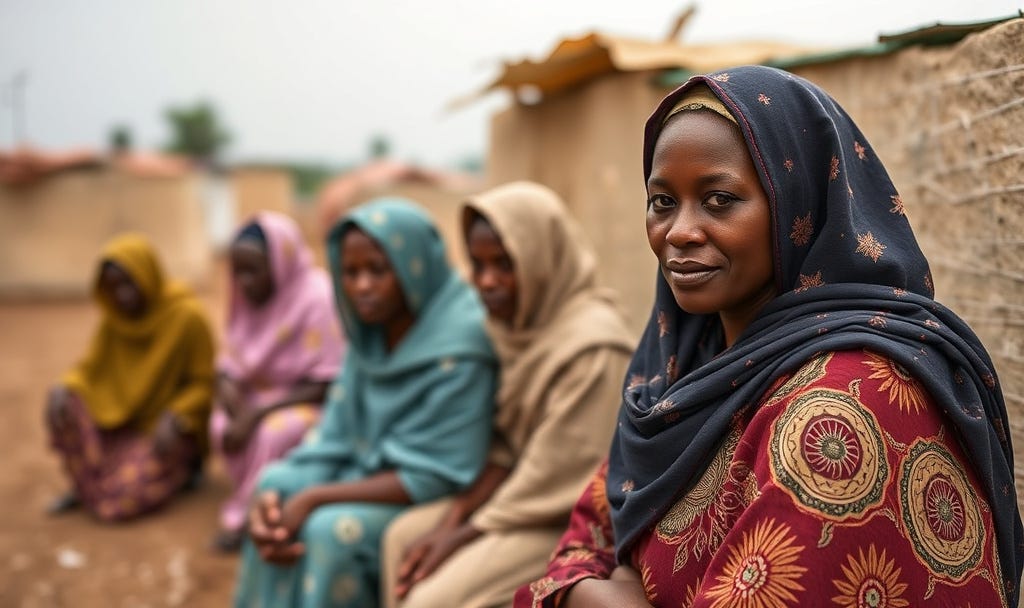
When we talk about poverty in Nigeria, we rarely talk about widows. When we discuss economic development, widows are usually missing from the policy papers. When we read household income data, widowed families become invisible lines on a graph that don’t capture the daily crisis behind them.
Here’s what the numbers don’t show: widowhood in Nigeria isn’t only a personal tragedy. It’s an economic emergency affecting millions of families right now, and almost no one is paying attention.
What we know
By widely cited estimates, Nigeria is home to millions of widows, a large share of them low-income, with limited formal education and few marketable job skills. Many head households of four or five children. And in many communities, a widow loses access to property and assets after her husband’s death, and reports serious financial hardship within the first year.
But statistics flatten the reality. They don’t show what it looks like when a family’s income disappears overnight.
Before: barely making it
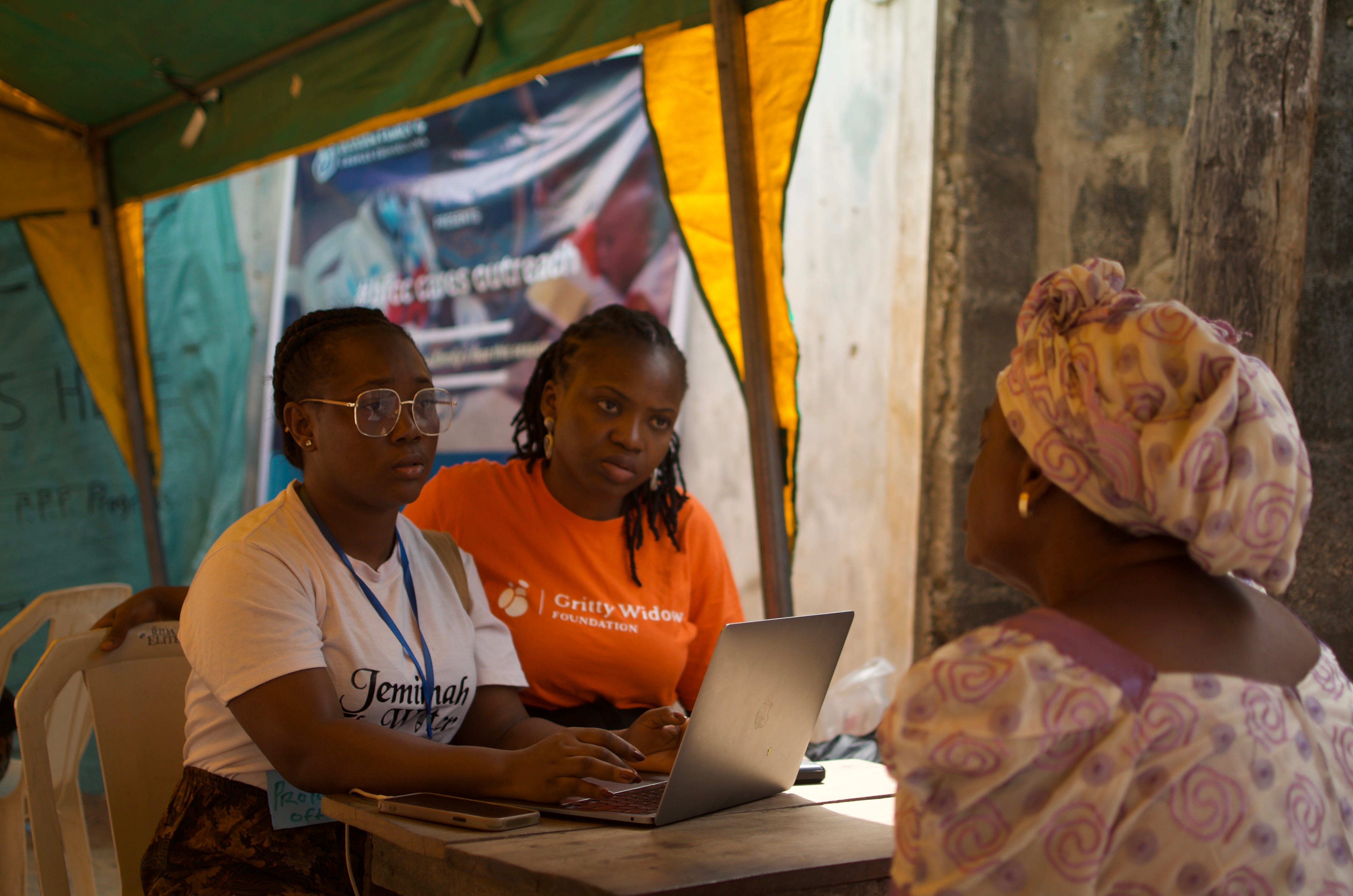
Most low-income families in Nigeria live from one day’s earnings to the next. There’s no safety net, no savings cushion, just a careful balance of income and expenses that works, barely, as long as nothing goes wrong.
Picture a typical household. The husband earns somewhere between ₦80,000 and ₦150,000 a month as a mechanic, driver, trader, or labourer. The wife adds maybe ₦20,000 to ₦50,000 from petty trading or hairdressing. Against that, rent, food, school fees for three or four children, transport, utilities, and the occasional medical bill can easily run past ₦200,000. Even with both parents working, the math is tight.
After: freefall
When the husband dies, the family loses most of its income overnight, often more than half. The same widow is now expected to cover the same expenses on the small income she had, if she had one at all.
That isn’t poverty. It’s freefall.
The costs nobody counts
The lost income is obvious. What’s less visible is the cascade of costs that pushes a family from struggling to desperate.
First there’s the funeral. In many communities, funerals are elaborate and expensive, and before a widow can even begin to think about survival, she’s facing burial arrangements, food for guests, transport, and traditional requirements that can add up to several months’ income in a single week. Most families borrow to cover it, often at punishing interest rates they’ll be repaying for years.
Then there’s the property. In many communities a widow loses the land, the family home, business equipment, savings she can’t legally access, sometimes the vehicle her family depended on.
“My husband drove a taxi, and that car was how we ate. After he died, his brothers took it. They said it belonged to him, not to me.”
She and her children were left with nothing. When productive assets go, future income goes with them.
Then education starts to give way. When income collapses, school is often the first thing to go. Children move from private to public schools if they’re lucky, get sent home during exams over unpaid fees, and eventually drop out altogether. A daughter who leaves school early and a son who never finishes secondary school both carry that loss for the rest of their working lives, which is how a single death turns into generational poverty.
Healthcare becomes a debt trap. Low-income families rarely have health insurance, so illness means borrowing. One widow shared that when her daughter got malaria, the hospital wanted ₦8,000 she didn’t have. She begged a pharmacist for drugs on credit and was refused, and watched her daughter suffer for three days until she could borrow the money.
And then there’s the quiet tax of being a vulnerable woman in a low-income community. Moneylenders charge more because they know a widow is desperate. Landlords raise the rent, employers offer less, and without a male presence in the home some families face harassment that comes with its own costs. Widows end up working longer hours for less money, with no time left to look for anything better. Vulnerability becomes a trap that’s almost impossible to climb out of.
When one family’s crisis becomes a community’s
Here’s what policy discussions miss: widowhood doesn’t stop at the individual family. It ripples outward.
When one widow pulls three children out of school, the school loses enrolment, other children lose classmates, and the community loses future skilled workers. When widows lose their purchasing power, the effect spreads through the local economy. A woman who used to buy vegetables from a market trader every day now buys once a week or less. The trader’s income drops, she buys less from her own suppliers, and the contraction moves down the line.
And children from widowed families are more likely to leave school, to enter work too young, to marry early, and to stay poor into adulthood, then raise their own children inside the same cycle. That’s how poverty becomes permanent.
The math that works: investing in widows
This is the part that makes widowhood both a crisis and an opportunity. As things stand, society spends almost nothing helping widows, then spends heavily managing the consequences: dropped-out children, child labour, health crises, entrenched poverty. The alternative is to invest early and prevent the cascade.
Consider what a single well-designed intervention can do. Give a widow six months of business training, the equipment she needs, and startup capital. Within two years she could be earning a real monthly income, keeping her children in school, spending in her local market, perhaps taking on an apprentice or two, and mentoring other widows coming up behind her. One investment, and the returns keep multiplying outward.
That’s not charity. It’s economics.
What’s being done, and what needs to happen
Government programmes for widows are limited, underfunded, and rarely reach the low-income communities that need them most. Most widows survive on their own resilience, on unreliable charity, on destructive loans, and on family support when they’re lucky enough to have it.
At Gritty Widows Foundation, we’re building programmes that treat widowhood as the economic problem it is. EmpowerAWidow pairs comprehensive business training with startup capital and ongoing mentorship, because the goal isn’t to hand out fish, it’s to build the fishing business. BackToSchool connects donors directly with specific children so that keeping a child in school becomes a way of breaking the poverty cycle. HealthAccessDrive builds healthcare partnerships so a medical emergency doesn’t become a financial catastrophe.
I want to be honest about where we are. These programmes are designed and ready, but not yet running. We’re recruiting our first cohort and raising the funds to make it real. The model is sound and the need is enormous. What stands between the two is resources.
What you can do
This isn’t an abstract policy. It’s happening right now in communities across Nigeria.
If you care about economic development, invest in widow empowerment and you get measurable returns, not just goodwill. Sponsor a child’s education and you help stop poverty passing to the next generation. Mentor a widow in business and you hand over expertise she can’t easily get anywhere else. Share this and you help shift a conversation that has left widows out for far too long.
The real question isn’t whether we can afford to help widows. It’s what it’s already costing us not to.
Help us support widows and fatherless children in Nigeria.